









Table of contents
- What is Static Hash?
- Static tech: how Static Hash is made using static charge
- Static Hash, Frozen Hash and Dry Sift: the differences
- Frozen Static Hash: what the combination means
- WPFF, Full Melt and Static Sift: quality levels explained
- THC content and purity of Static Hash
- Recognising Static Hash: colour, consistency, smell
- Storing Static Hash correctly
- Piatella Hash compared to Static
- Buying Static Hash: what to look out for
- Experiences with Static Hash: what users report
- Frequently asked questions about Static Hash
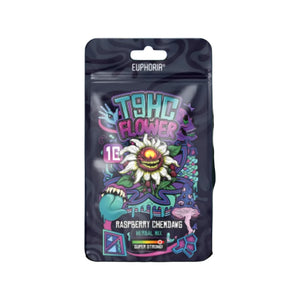
 T9HC Herbal Mix – Raspberry Chemdawg (1 g)
€6,97Ansehen
The difference from every other type of hash lies in a second step: with Static Hash, the dry-sifted resin is separated once more from leaf residue using static charge, without any water and without solvents like butane or ethanol. What remains is a light, fine resin powder with a high share of pure trichome heads. Frozen Hash and Piatella Hash, by contrast, are made using ice water, so they already differ right from the separation method.
The three terms often appear side by side in retail, but they mean different things: Static describes a cleaning technique, Frozen usually refers to the starting material, and Piatella is a combination of material and cold curing. We don't carry hash with THC. You'll find hash with other cannabinoids in the Haschplatte category.
What is Static Hash?
Static Hash is dry sift that has been cleaned a second time through electrostatic separation. First, the trichomes are released from flowers or trim through dry sieving. The raw sift still contains leaf particles, waxes and plant dust afterward. The static step removes this residue until almost only trichome heads remain.
The difference from classic sieving lies in the degree of purity, not in the basic idea. You can read how pure dry sifting works in our Dry sift guide.
Static tech: how Static Hash is made using static charge
The key effect is that plant material and trichome heads become electrostatically charged to different degrees through friction. The sifted raw material is placed on a smooth acrylic or plastic surface. Friction against the surface or a nylon brush creates a charge that the lighter leaf particles stick to, while the heavier resin heads stay put or fall off.
The process at a glance:
- Dry and cool the plant material so the trichomes break cleanly
- Sieve through fine mesh
- Place the raw sift on a chargeable surface
- Create friction and pull away the clinging plant residue
- Repeat the process several times until the material is evenly light in colour
Everything happens dry. There's no freeze drying and no waiting time for leftover water, which makes static tech appealing for small batches. A compact overview of terms can be found on the page Static Hash: What it is.
Static Hash, Frozen Hash and Dry Sift: the differences
Static and Dry Sift separate dry, while Frozen and Piatella work with ice water. The THC figures below are experience-based values from the producer scene and not standardised lab values. There's no standardised measurement series for these niche products in Germany.
| Feature | Static Hash | Frozen Hash | Piatella Hash | Dry Sift |
|---|---|---|---|---|
| Separation | Dry sieving plus electrostatic cleaning | Ice water and sieve bags | Ice water, then cold curing with no air contact | Dry sieving through mesh or drum |
| Starting material | Dried flowers and trim | Material frozen right after harvest | Mostly freshly frozen material | Dried material |
| Consistency | Fine, free-flowing powder, sandy to slightly sticky | Crumbly to sandy, depending on drying | Soft, creamy, pressed flat | Powdery, often with a greenish portion |
| THC range (experience value) | varies depending on the degree of cleaning | can vary greatly depending on processing | can vary greatly depending on processing | varies depending on the degree of cleaning |
| Term clearly defined | yes, describes a cleaning process | used inconsistently | describes material and curing | established technical term |
| Market positioning | Specialty | Premium segment | Premium segment | Standard to upscale |

Frozen Static Hash: what the combination means
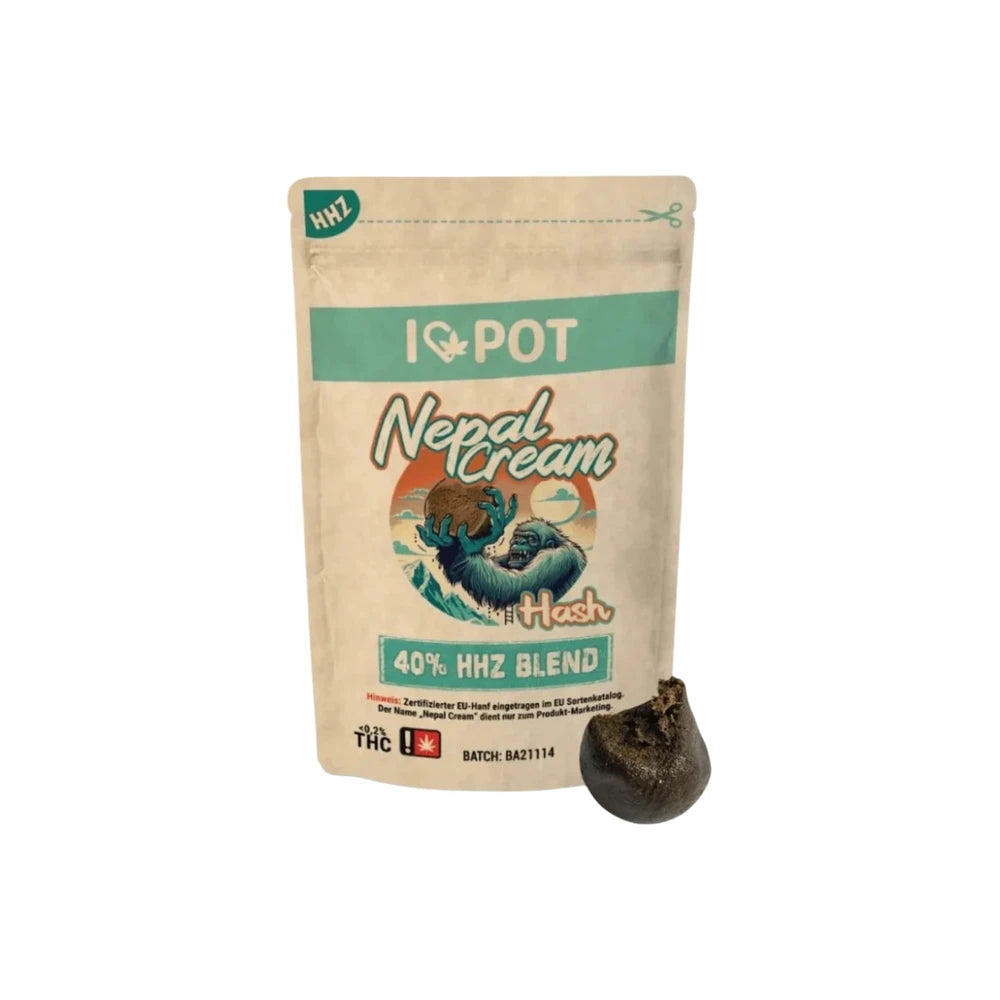
Frozen Static Hash means static sift made from material that was frozen before processing. Two variants circulate under this name. In the first, freshly harvested material is frozen, later dried and only then sieved and statically cleaned. In the second, finished dry sift is heavily chilled because the trichome heads break more cleanly in the cold and smear less.
Which variant a supplier means is rarely obvious from the product name. Ask about the starting material and drying process if that matters to you. You'll find background on the method on our page about Frozen Hash.
WPFF, Full Melt and Static Sift: quality levels explained
The three terms describe different things: raw material, melting behaviour and cleaning step.
- WPFF is a term used in the scene for plant material frozen fresh, immediately after cutting. The term says something about the raw material, nothing about the cleanliness of the final product.
- Full Melt is a term commonly used in the scene for resin of particularly high purity that leaves almost no residue when heated. Informal quality tiers are used for this in the scene, with the top tiers considered Full Melt.
- Static Sift refers to the cleaning step itself. Well-made static sift can reach Full Melt quality, but doesn't have to.
None of these labels are certified. They're descriptions from the producer scene, which every supplier interprets slightly differently.
THC content and purity of Static Hash
Purity depends on the share of pure trichome heads, not on the mesh size. The less plant material ends up in the final product, the higher the cannabinoid content turns out. That's why well-cleaned static sift tends to come out above classic dry sift from the same batch. The ranges mentioned above are experience-based values from producers, not measurements from an authority.
Legally, the Konsumcannabisgesetz (KCanG) applies in Germany. Under § 1 No. 9 KCanG, hemp only counts as industrial hemp up to a THC content of 0.3 percent. Which rules apply to individual products and cannabinoids differs between Germany, Austria and Switzerland, and changes constantly. If you need a binding classification, check the current wording of the law.
Recognising Static Hash: colour, consistency, smell
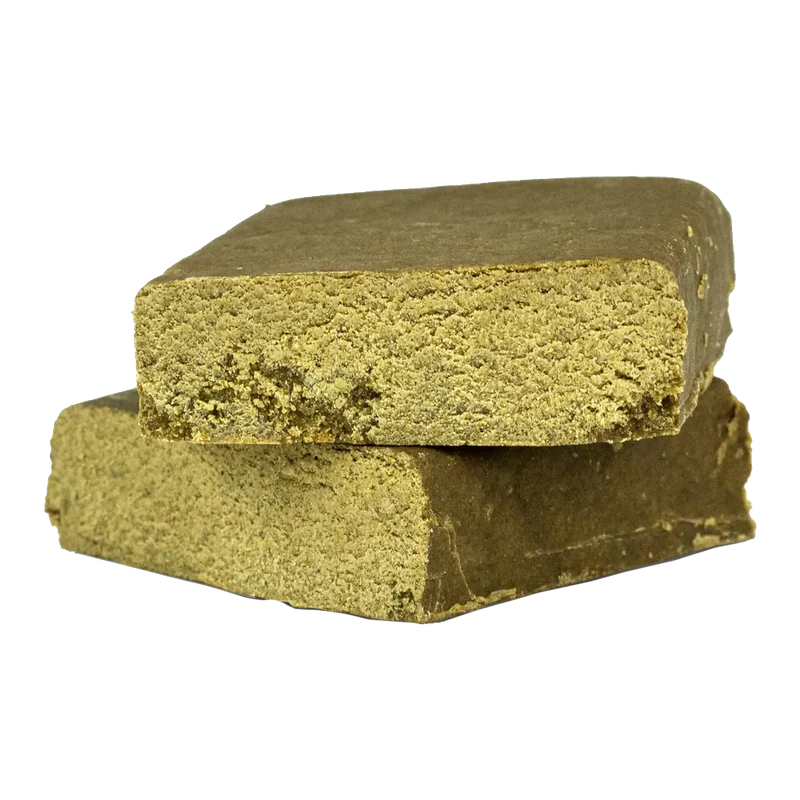
Typical signs are a sand-coloured to light golden powder, individual visible resin heads and a clear terpene smell without any hay note. A greenish tint points to leaf residue, dark spots to oxidation or storage that was too warm.
Three simple checks:
- Finger: High-quality static sift can be pressed between two fingers with warmth and pressure into a sticky mass.
- Light: Under a magnifying glass or pocket microscope, you should be able to see round heads, with hardly any fibres.
- Smell: Musty, ammonia-like, or no smell at all points to moisture, age or poor storage.
Colour alone proves little. Strain, ripeness and harvest timing influence the tone just as much as the cleaning does.
Storing Static Hash correctly
Cool, dark, airtight and without pressure keeps the powder stable for several months. Light and oxygen break down terpenes and cannabinoids, while warmth makes the fine resin clump together. Glass with a tight lid is better than plastic bags, where the material tends to statically stick.
If you store hash in the freezer, let the closed container reach room temperature before opening it. Otherwise condensation will form on the cold resin.
Piatella Hash compared to Static
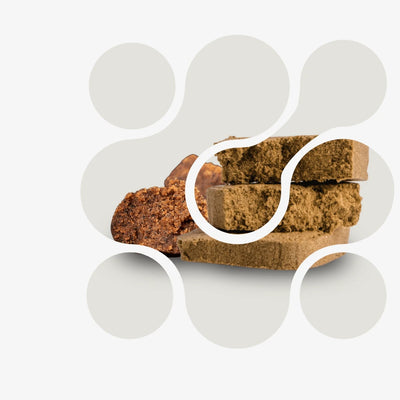
Piatella is cold-cured ice water hash, Static is dry-cleaned sieved hash. For Piatella, often also spelled Piattella, freshly frozen material is usually separated using ice water and sieve bags, dried and then stored for weeks under low air exposure and cold temperatures. In the process, the consistency changes to soft, creamy or butter-like. The flat shape is just the result of pressing.
Static stays powdery and only forms into a slab through heat and pressure. If you want to compare the curing processes, you'll find details on our page about Piatella Hash.
Buying Static Hash: what to look out for
What matters is information about the starting material, separation method and cannabinoid, not the product name. A quick checklist:
- Is the separation method named, meaning dry sieving with a static step or ice water?
- Which cannabinoid is in it, and is it disclosed whether it was naturally obtained or synthetically produced?
- Is there a micron figure, and is it explained rather than just used as a quality seal?
- Do the photos match the described product, meaning powder for sift, a slab for pressed hash?
- Does the stated weight match the packaging?
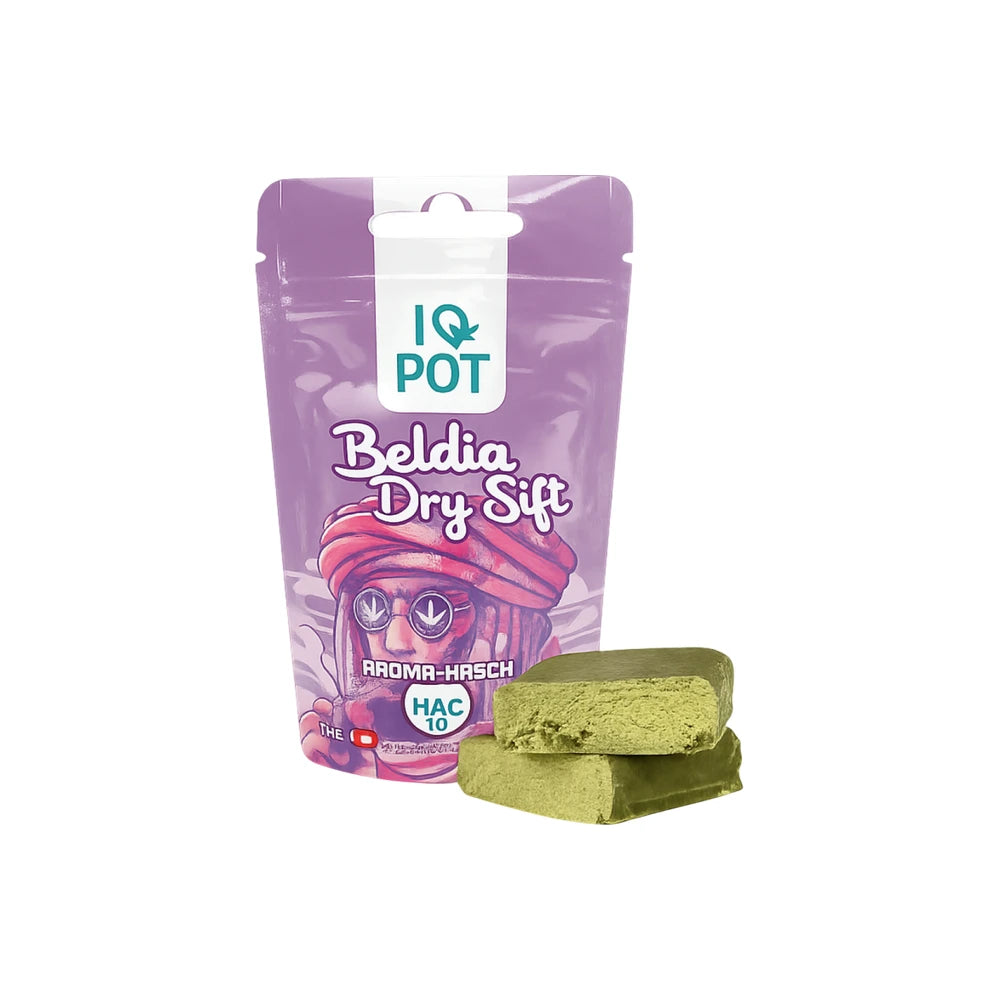
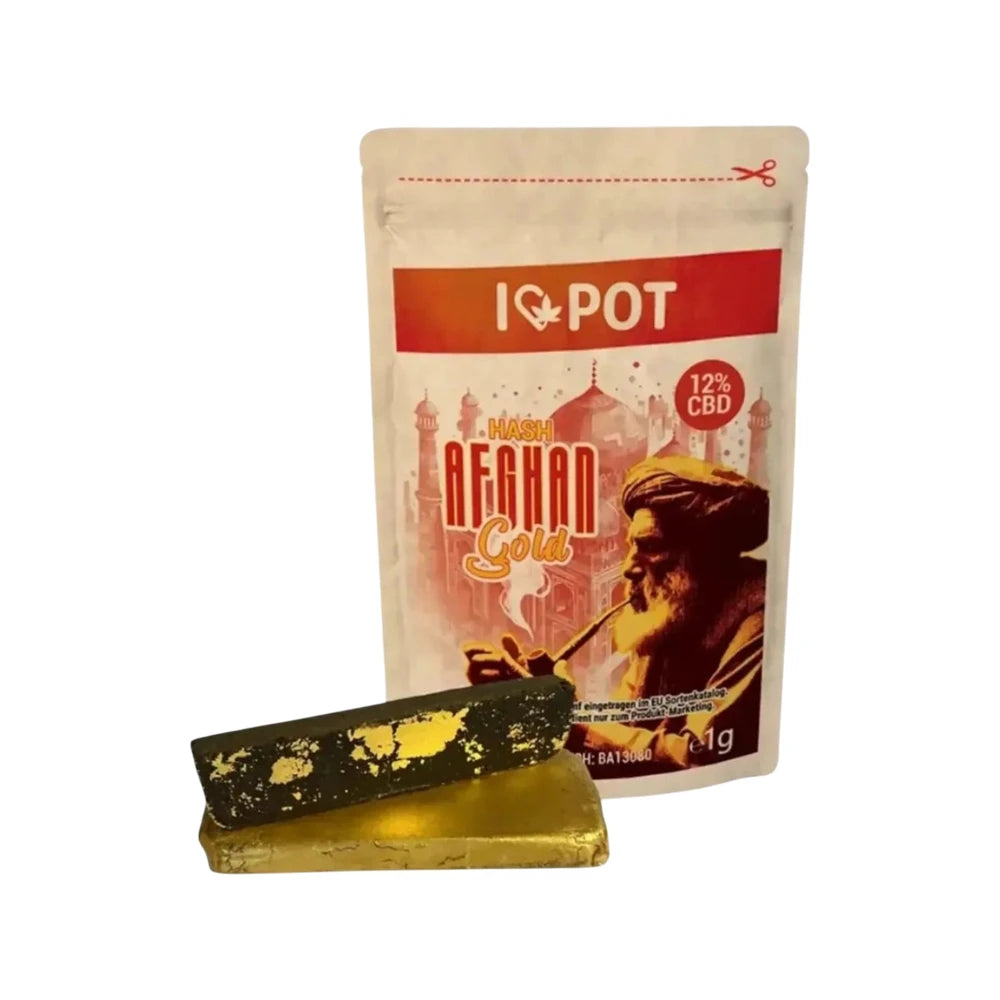
Our range doesn't include hash with THC. Products with other cannabinoids are listed in the overview All hash products. One example of dry-sifted material is the HHZ Hash Beldia Dry Sift from DCM with the cannabinoid HHZ. If you want to compare without a psychoactive cannabinoid, CBD Hash Afghan Gold offers a CBD-based option.



Experiences with Static Hash: what users report
There are no reliable surveys so far on user experiences with Static Hash. What's described in producer and user groups isn't systematically recorded or verified, so it can't be presented here as fact. In terms of process, all that can be said is that no water comes into contact with the resin during the dry method and no freeze drying is required.
Individual descriptions of taste or effect from forums are subjective, not reproducible, and say nothing about health consequences. Neutral information on risks and on assessing your own use is offered by the portal cannabispraevention.de.
Frequently asked questions about Static Hash
Is Static Hash the same as Static Sift?
Both terms mean the same material in practice. Static Sift emphasises the loose, powdery state right after cleaning. Static Hash is more often used once the resin has been bonded into a slab through heat and pressure. There's no binding standard behind either name.
Is Static Hash a concentrate or an extract?
Technically it's a mechanically obtained concentrate. During sieving and static cleaning, nothing is dissolved out of the plant material, it's only separated. Extracts in the strict sense are made with solvents like ethanol or butane that absorb the resin and are then evaporated off again.
What does a micron figure tell you?
A number like 90 microns describes the mesh size of the sieve used and nothing else. It doesn't reveal how much plant material remained in the final product or how cleanly the static step was done. Two batches with the identical micron figure can differ significantly in purity.
Why is Static Hash usually only found in small quantities?
The static step is mostly done manually and has to be repeated multiple times. That limits the batch size. On top of that, high-quality dry starting material is needed, since otherwise leaf residue can hardly be fully removed.
Sources:
- Konsumcannabisgesetz (KCanG), § 1 No. 9, available via gesetze-im-internet.de
- Information portal cannabispraevention.de
- Experience-based values on sieve sizes, purity and methods from the producer scene, marked as such
This article was created and most recently updated by the editorial team at shinyfriends.de. It's for informational purposes only and doesn't replace legal or medical advice.