
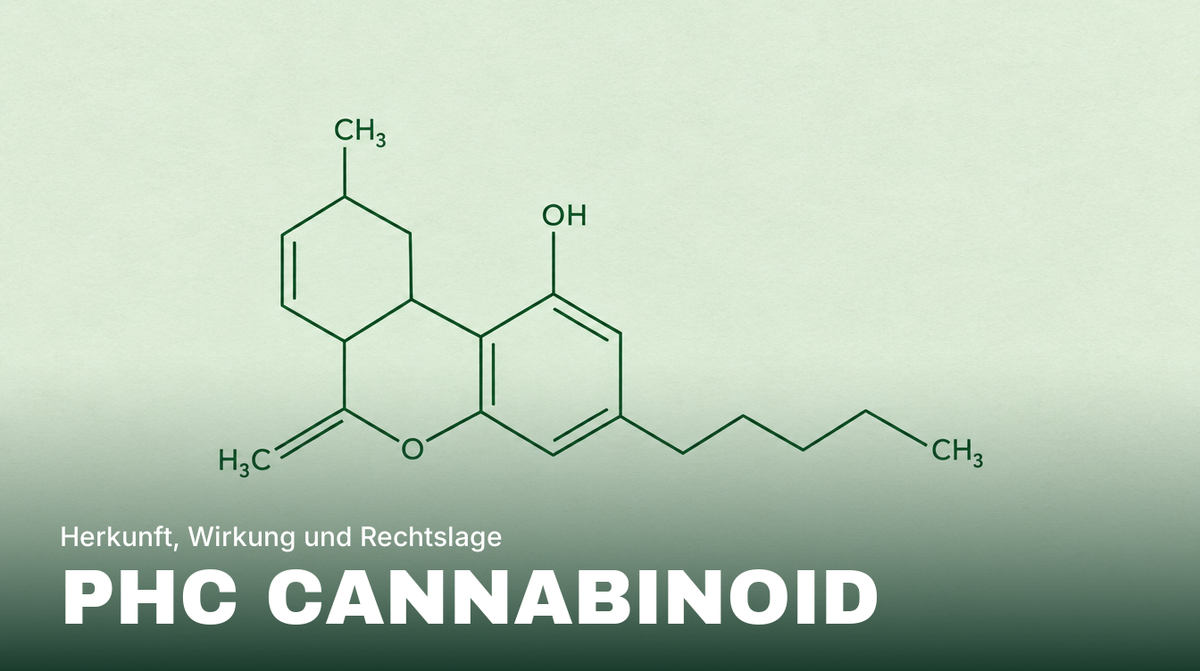


PHC is a semi-synthetic cannabinoid sold across Europe as flower and hash, and to this day it has no clear chemical definition. Different manufacturers describe different substances under the same abbreviation, usually derivatives of THC or of hexahydrocannabinol. Anyone searching for "PHC" also often lands on a skincare brand of the same name. That brand has nothing to do with the cannabinoid. This article deals exclusively with the hemp compound.
What exactly is PHC cannabinoid
PHC is a trade name for a semi-synthetic cannabinoid, not a botanically proven component of the hemp plant. Semi-synthetic means: the starting point is usually CBD from industrial hemp, which is chemically altered in a lab. You already know this approach from other substances of recent years. We covered the basics in our article on synthetic and semi-synthetic cannabinoids.
Unlike CBD, CBG, or delta-9-THC, there's no broad body of research on PHC, no recognized CAS number in suppliers' public communications, and no uniform structural formula that all manufacturers provide. Expert bodies like the European Union Drugs Agency (EUDA) generally point out that purity and byproducts can vary widely with semi-synthetic cannabinoids.
In practice, this means PHC is more of a product category than a clearly described molecule. Keep that in mind when you read claims about strength or effects.
What does the abbreviation PHC stand for
There's no binding explanation for the abbreviation. Several interpretations circulate in the trade side by side, and none of them is scientifically established:
- PHC as shorthand for an acetylated THC derivative
- PHC as an umbrella term for hydrogenated cannabinoid blends, meaning mixtures of several related molecules
- PHC simply as a brand name for a product line, comparable to the fantasy names of other blends
On top of that there's the identically named cosmetics brand PHC Skincare and the abbreviation "Primary Health Care" from the healthcare sector. Both show up in search results but have no connection to hemp. If a shop doesn't provide a chemical name, the question of the exact substance remains open. You're welcome to ask the supplier directly.
How does PHC work
There are no controlled studies on PHC in humans, so reliable statements about its effects aren't possible. What exists are user reports from forums and shop descriptions. These reports describe PHC as THC-like, meaning with a psychoactive character. Such self-reports aren't data: they can't be verified, the actual substances contained are usually unknown, and the placebo effect can't be factored out.
Expert bodies like the EUDA generally point out that there's barely any data on long-term effects, interactions, and metabolic pathways of semi-synthetic cannabinoids in the body. Anyone using products in this category is operating outside a solid evidence base. That's not a judgment, just the current state of research.
Common rapid tests react to THC breakdown products. Whether and how semi-synthetic cannabinoids trigger such tests hasn't been studied for most of these substances. Don't rely on a test coming back negative.
PHC compared to other cannabinoids
The key difference isn't strength, but the state of research and the origin. CBD and delta-9-THC have been studied for decades, and at least basic research exists for CBG and CBN. PHC sits at the other end of this scale.
| Substance | Origin | State of research | Psychoactive |
|---|---|---|---|
| CBD | directly from the plant | extensive | no |
| Delta-9-THC | directly from the plant | extensive | yes |
| CBG, CBN | plant, often converted from CBD | limited | low to no data |
| HHC derivatives | semi-synthetic | very limited | yes |
| PHC | semi-synthetic, substance not uniformly defined | practically no data | according to suppliers: yes |
If you're interested in the minor cannabinoids found in the plant, you'll find an overview in our article on minor cannabinoids like CBG, CBN, and H4CBD.
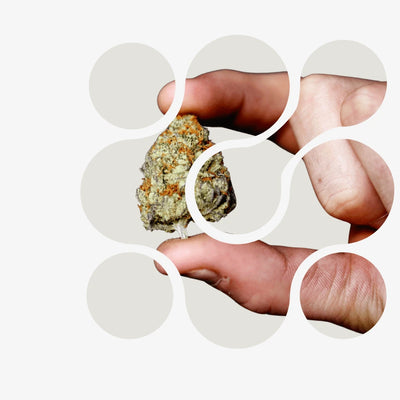
PHC flower and hash at a glance
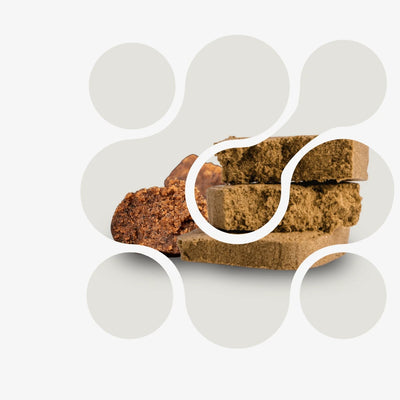
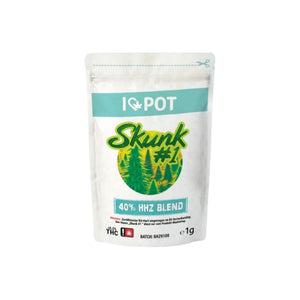
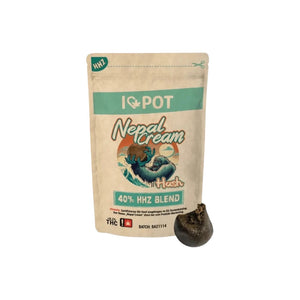
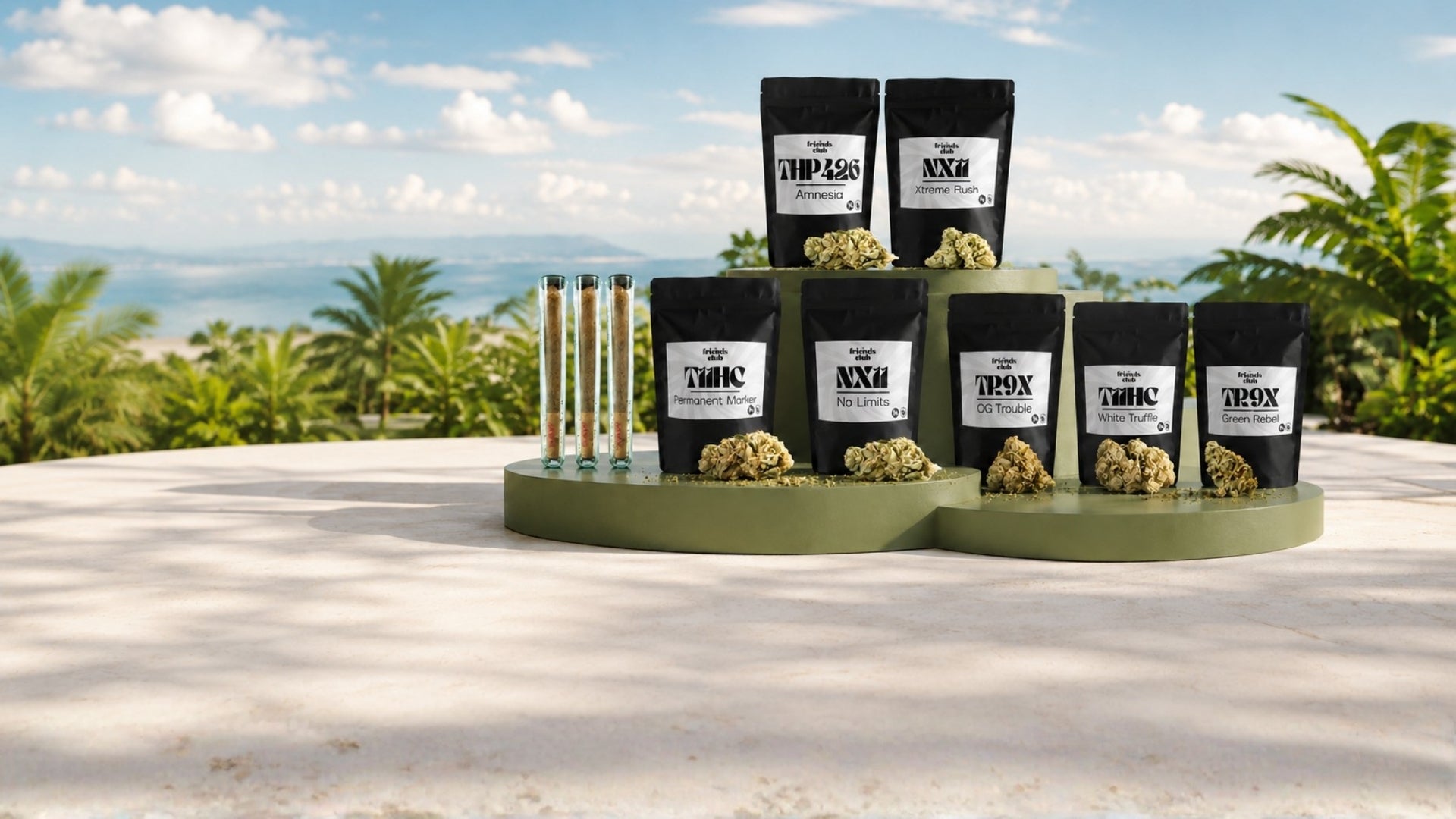
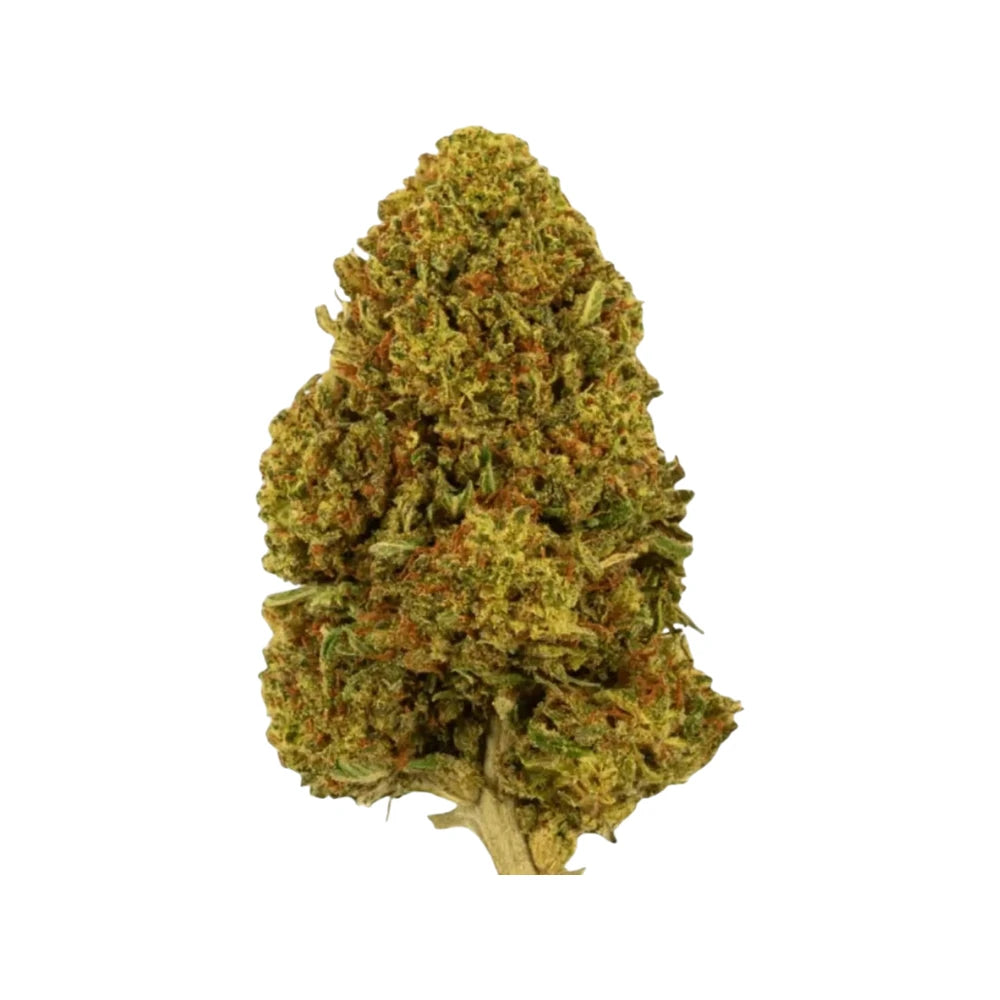
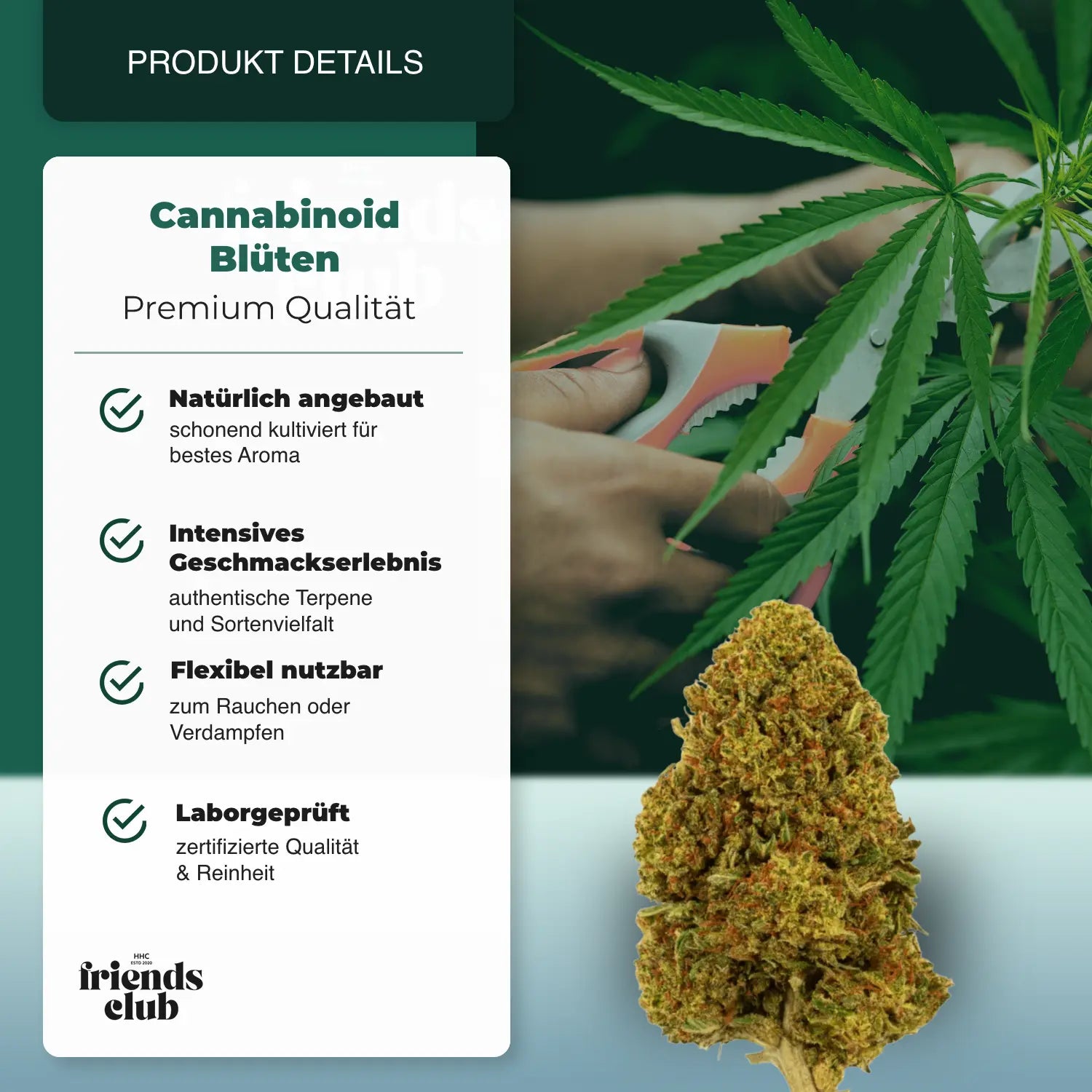
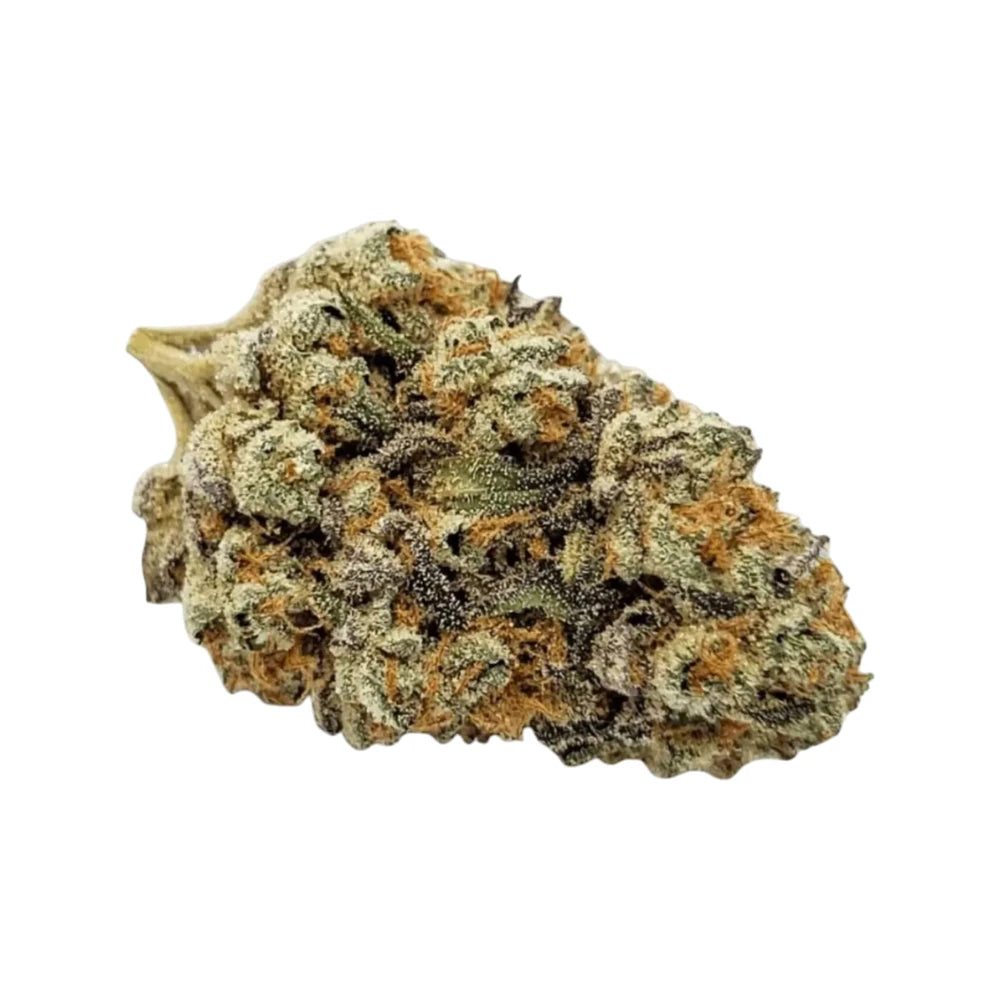
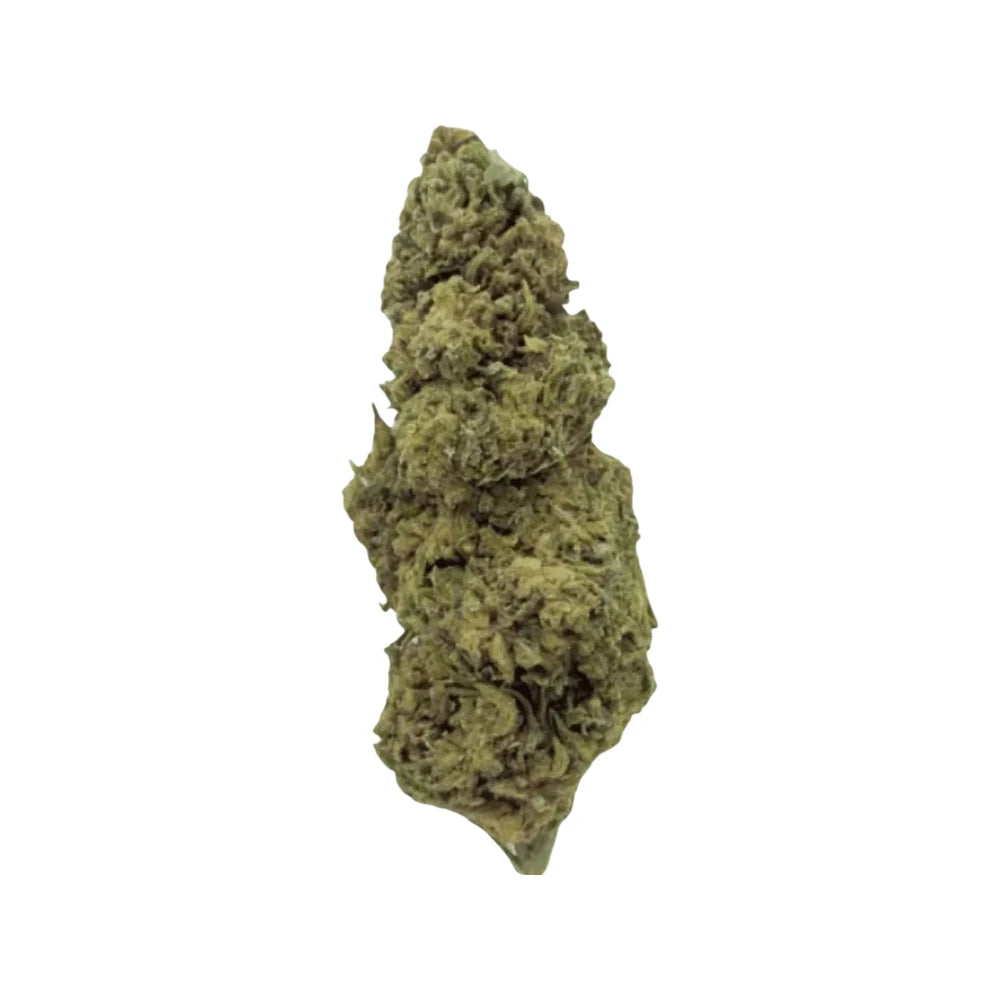
In the trade, PHC almost always appears as a carrier product: industrial hemp flower or hashish that has been treated with a cannabinoid distillate. The flower itself comes from industrial hemp and provides structure, terpenes, and flavor. The stated percentage refers to the applied distillate, not a naturally grown content.
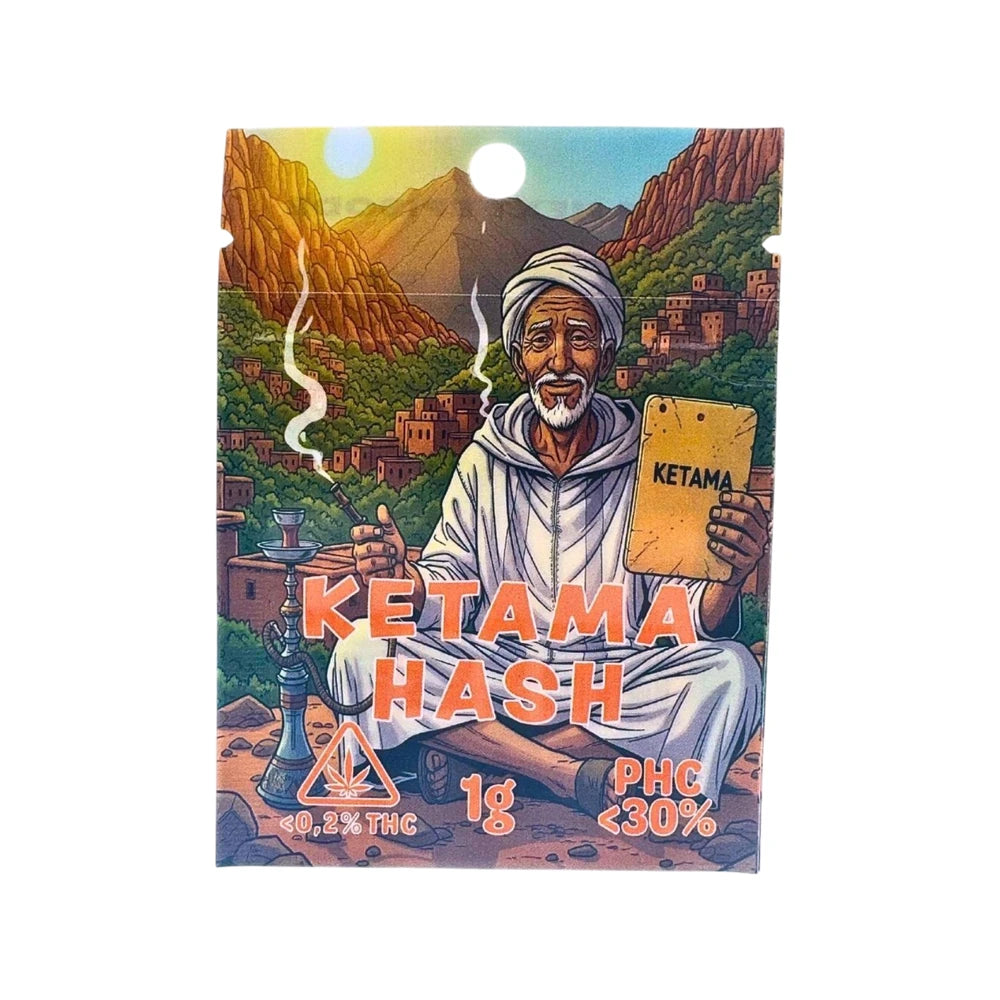
Within the PHC range, the figures fall into this bracket: values between 22 and 30 percent, depending on the strain. Available options include:
- PHC flower in several strains, including Lemon Cookies, Cannatonic, and Gelato #45
- PHC hash as pressed Ketama
- Mixed packs like the mystery bag from the PHC range
Hash and flower differ in consistency, aroma, and shelf life. Hash is pressed resin and reacts less sensitively to light, while flower loses its terpenes faster when left exposed. Both should be stored dry, dark, and cool.

Is PHC legal in Germany
The answer depends on which substance is actually in the specific product, and that's often unclear with PHC. In Germany, different regulations apply depending on the molecule: the Cannabis Act (KCanG) for cannabis and THC, the New Psychoactive Substances Act (NpSG) for defined substance groups, and the Narcotics Act for substances listed by name. Under KCanG § 1 No. 9, industrial hemp may contain no more than 0.3 percent THC.
Because PHC isn't chemically described in a uniform way, no blanket statement is possible, and the lists are continuously updated. You'll find an up-to-date, substance-by-substance overview in our article on which cannabinoids are legal. How quickly the situation can change is shown in the example in our article on alternatives after the 10-OH-HHC ban.
Is PHC legal in Austria
Austria regulates new cannabinoids through the New Psychoactive Substances Act (NPSG) and its related ordinance, which covers substance groups rather than individual molecules. On top of that there's the Narcotics Act with its annexes. What matters is whether a product's structure falls under one of these group definitions.
Only the official legal texts in the federal legal information system and the responsible ministries give reliable answers. Shop descriptions or forum posts don't replace this check. Check the current status yourself before ordering, since regulations can be adjusted without much lead time.
Is PHC legal in Switzerland
In Switzerland, the Narcotics Act together with the lists in the Narcotics List Ordinance of the Federal Department of Home Affairs, which are regularly updated, decide the matter. There too, the legislator works with group descriptions for synthetic cannabinoids so that new variants don't need to be added individually every time.
The limit for legal hemp in Switzerland is 1.0 percent THC, which differs from the German rule. For semi-synthetic substances like PHC, though, this figure says nothing. Current information is provided by the Federal Office of Public Health and Swissmedic.
What to watch for with PHC products
The less a supplier says about the substance contained, the less you know about the product. You can check these points before making a decision:
- Is the cannabinoid chemically named, or does it stay at the abbreviation?
- Is there a certificate of analysis with date, lab, and batch number?
- Is it stated which carrier flower was used?
- Is the percentage value linked to a batch, or is it just a marketing figure?
- How does customer service respond to a question about composition? Our customer service can be reached via the contact link in the site footer.
Drawing conclusions about effects from the percentage figure isn't valid for semi-synthetic cannabinoids. Two products with an identical number can contain different substances.
Sources and revision status
- Cannabis Act (KCanG), version via gesetze-im-internet.de
- New Psychoactive Substances Act (NpSG), version via gesetze-im-internet.de
- European Union Drugs Agency (EUDA), information on semi-synthetic cannabinoids, euda.europa.eu
This article was written by the Shinyfriends editorial team and was last revised on October 11, 2026. It's for informational purposes only and doesn't replace legal or medical advice.


