


Table of contents
- Cannabinoids and the law: three laws decide
- Possession, sale and criminal liability
- Overview: legal situation by cannabinoid
- CBD, THCA, H4CBD and other CBD-related substances
- HHC, THCP, HHCP and 10-OH-HHC: explicitly regulated
- 9H-THC, 9H-HHC, T8HC and T9HC: what is known about the legal situation
- T11HC, HHZ, HHX, PHC, PHCP and THP420
- Why the legal situation changes quickly
- What to look out for when buying
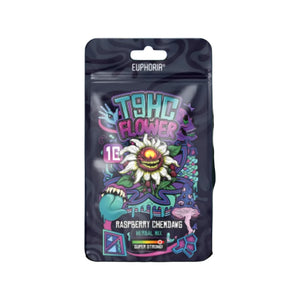
 T9HC Herbal Mix – Raspberry Chemdawg (1 g)
€6,97Ansehen
Many products say "legal", and they almost never say under which law. The honest answer to the question of which cannabinoids are legal in Germany is therefore: it depends on the substance, and for many new cannabinoids there is no explicit regulation at all. Three laws are decisive. The Consumer Cannabis Act (KCanG) regulates cannabis with natural THC. The Narcotics Act (BtMG) lists individual substances such as HHC and synthetic THC. The New Psychoactive Substances Act (NpSG) prohibits entire groups of substances, including derivatives of the THC basic structure such as THCP or HHCP. New market names such as T8HC, T9HC or 9H-THC are not named on any of these lists. For them, "not explicitly regulated" is the correct description, and that is something different from "legal". All information in this article is as of 11 October 2026.
Cannabinoids and the law: three laws decide
The KCanG has applied to cannabis for personal use since April 2024. Under § 1 No. 8 KCanG, this includes plants, flowers, resin and the plant constituents of the cannabis plant. Expressly excluded are, among others, CBD, industrial hemp and medical cannabis.
The BtMG works with lists. Its Annexes I to III list each substance by name and chemical designation. Whatever is listed there is a narcotic, and possession, trade and manufacture require a permit.
The NpSG works differently. Its Annex 1 does not describe individual substances but basic chemical structures. Every substance that fits such a basic structure is covered, even if it does not yet have a name. For cannabinoids, No. 2.3 is important: it covers compounds derived from the basic structure of THC, regardless of the degree of hydrogenation of the ring and with side chains of up to twelve carbon atoms.
If a substance is listed in the BtMG, the NpSG no longer applies to it (§ 1 (2) No. 1 NpSG). That is exactly what happened with HHC.
Possession, sale and criminal liability
The three laws differ in what is punishable. For consumers, this is the most important point.
- KCanG: adults may possess up to 25 grams of cannabis when out and about and up to 50 grams in total at home (§ 3 KCanG). Trading is prohibited (§ 2 (1) No. 4) and punishable under § 34.
- BtMG: possession without a permit is punishable, as are acquisition, trading and manufacturing (§ 29 (1) BtMG).
- NpSG: trading, manufacturing, acquisition and possession are prohibited under § 3. Under § 4, trading, placing on the market, administering, and manufacturing and bringing into Germany for the purpose of placing on the market are punishable. Acquisition and possession by adults are prohibited, but not punishable.
For substances not covered by any of the three laws, there is neither an explicit ban nor an explicit permission. Other regulations, for example from food or medicines law, may still apply.
The fact that labelling and sales channel matter is not unique to cannabinoids, by the way. Research peptides are in a similar position, as this overview by country from Peptigram shows.
Overview: legal situation by cannabinoid
| Substance | Classification (as of 11 October 2026) | Legal reference |
|---|---|---|
| Cannabis with natural THC | Possession allowed for adults within limits, trading prohibited | §§ 2, 3 KCanG |
| THCA in flowers | Plant constituent, counts as cannabis | § 1 No. 8 KCanG |
| CBD | Excluded from the KCanG definition of cannabis | § 1 No. 8 (b) KCanG |
| Δ9-THC, synthetic | Narcotic | BtMG Annex II |
| Δ8-THC and other THC isomers | Narcotic, except non-synthetic forms | BtMG Annex I |
| HHC | Narcotic since 23 May 2026 | BtMG Annex II |
| THCP, HHCP, 10-OH-HHC | New psychoactive substances | NpSG Annex 1 No. 2.3 |
| H4CBD, CBH, CBG9 | Not explicitly regulated | none |
| 9H-THC, 9H-HHC, T8HC, T9HC, T11HC, HHZ, HHX, PHC, PHCP, THP420 | Not listed by name, classification depends on the chemical structure | none by name |
CBD, THCA, H4CBD and other CBD-related substances
Under § 1 No. 8 (b) KCanG, CBD is not cannabis within the meaning of the law. However, this only concerns the KCanG. Separate rules apply to CBD in food or cosmetics.
THCA is the acid form of THC and a natural constituent of the plant. Because the KCanG expressly counts plant constituents as cannabis, THCA flowers are legally cannabis flowers. Whether flowers can count as industrial hemp depends on the narrow conditions in § 1 No. 9 KCanG, including that misuse for intoxication purposes is ruled out.
H4CBD, CBH and CBG9 are described by manufacturers as modifications of CBD or CBG. None of these names appears in the BtMG or in the NpSG annex. There are hardly any studies on them. Legally, this means: not explicitly regulated, as of 11 October 2026.
HHC, THCP, HHCP and 10-OH-HHC: explicitly regulated
For these substances the situation is clear. HHC (hexahydrocannabinol) has been listed in Annex II of the BtMG since 23 May 2026. The only exceptions are medical cannabis and a non-synthetic form for non-medical purposes. According to the scientific literature, the HHC in vapes and flowers is produced on a large scale from CBD (Ujváry, 2024) and is therefore not a natural form. Possession and trading are punishable. Before that, HHC had been listed in the NpSG annex since June 2024. Our article on the HHC ban in Germany describes the development in detail.
THCP, HHCP and 10-OH-HHC fall under the substance group in No. 2.3 of NpSG Annex 1. Trading is punishable, possession is prohibited.
9H-THC, 9H-HHC, T8HC and T9HC: what is known about the legal situation
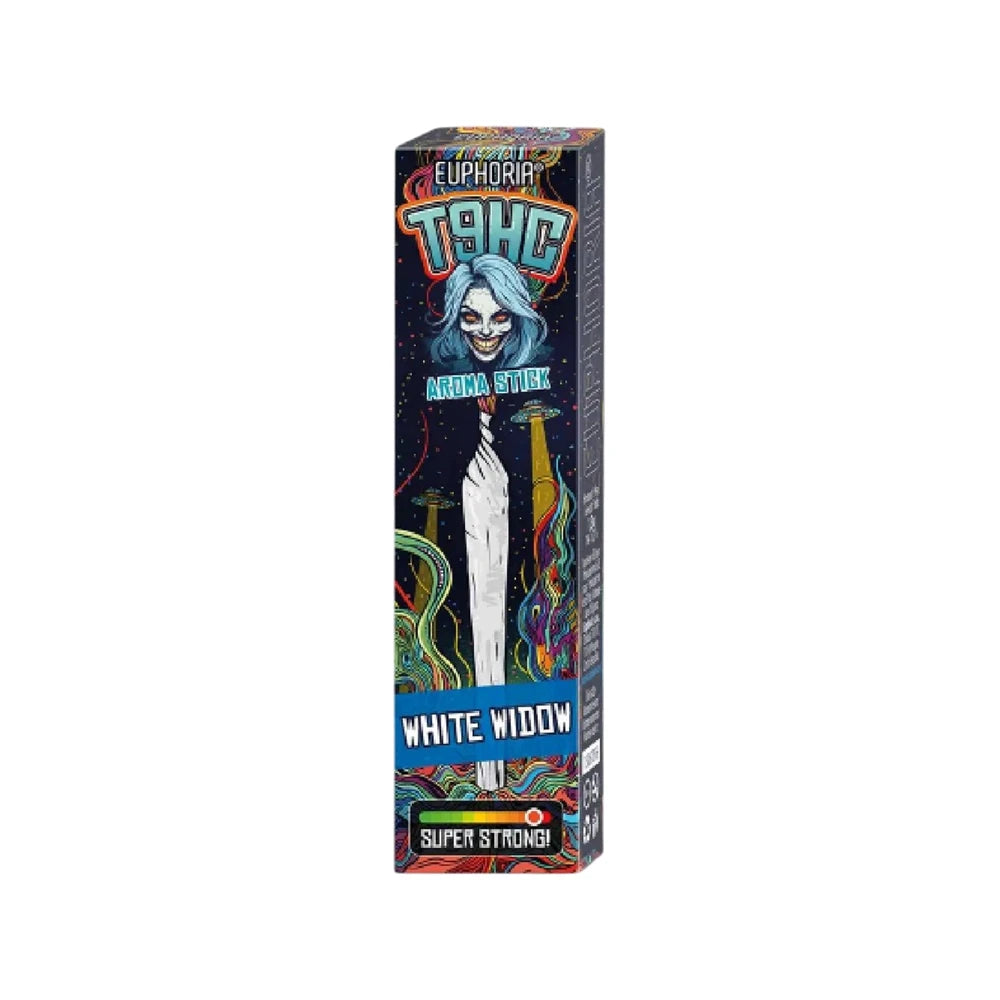
These four names are searched particularly often together with "legal". The same basic problem applies to all of them. They are market names, not chemical designations, and none of them has an independently published structural formula. None is named in the BtMG or in the NpSG annex (as of 11 October 2026). Whether a specific substance falls under group 2.3 of the NpSG cannot be said without information on its structure. There is no explicit permission for any of these substances.
9H-THC
The name is based on THC. What manufacturers state about it and which formats exist is explained in our article 9H-THC explained. 9H-THC is not to be equated with natural Δ9-THC from the plant.
9H-HHC
9H-HHC is not the same as HHC. The BtMG entry applies to hexahydrocannabinol with a precisely defined chemical designation. Whether and how 9H-HHC differs chemically from it is not independently documented by the manufacturers.
T8HC
Behind T8HC, different information is given in the trade. Some suppliers use the name as a short form for Δ8-THC, others use it to describe a separate product. Legally, this is an important difference, because Δ8-THC is listed in Annex I of the BtMG, with only non-synthetic forms excepted. T8HC itself is not named there.
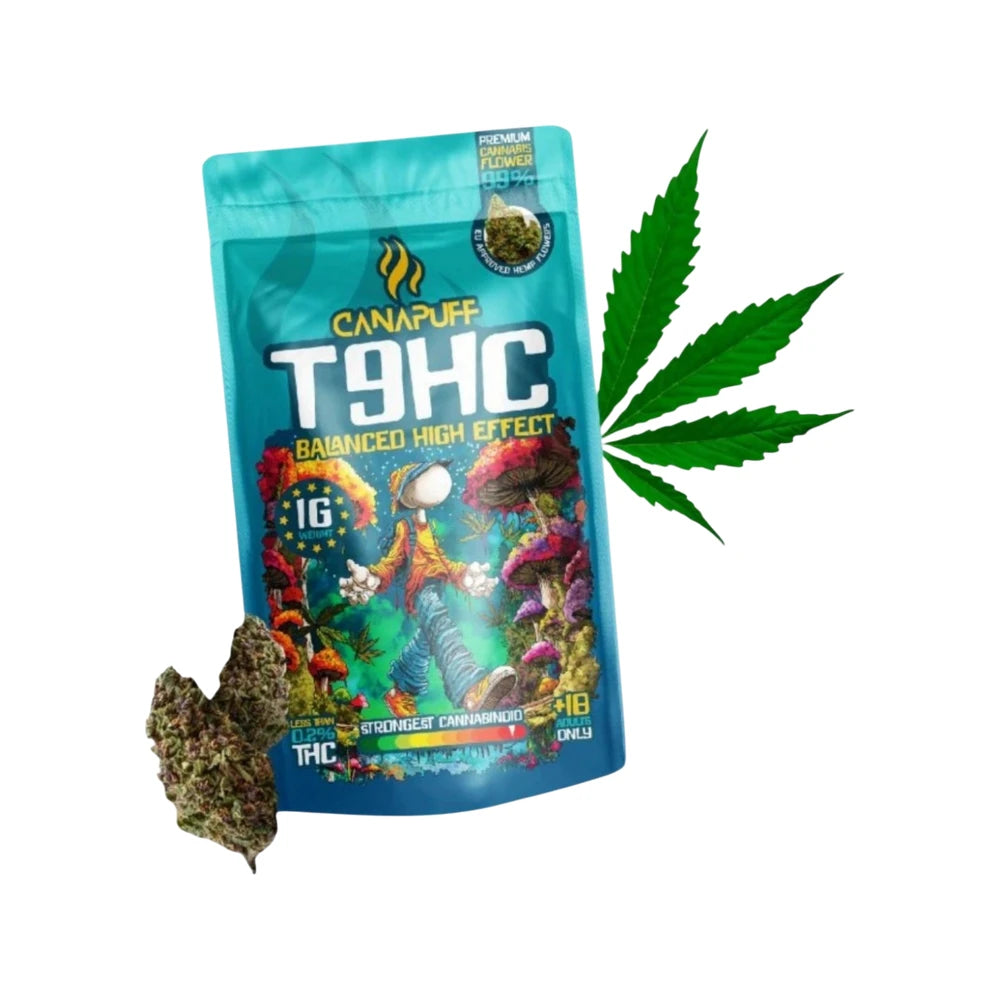
T9HC
For T9HC, the literature database PubMed finds not a single entry. What is and isn't known is compiled in the post What is T9HC?.
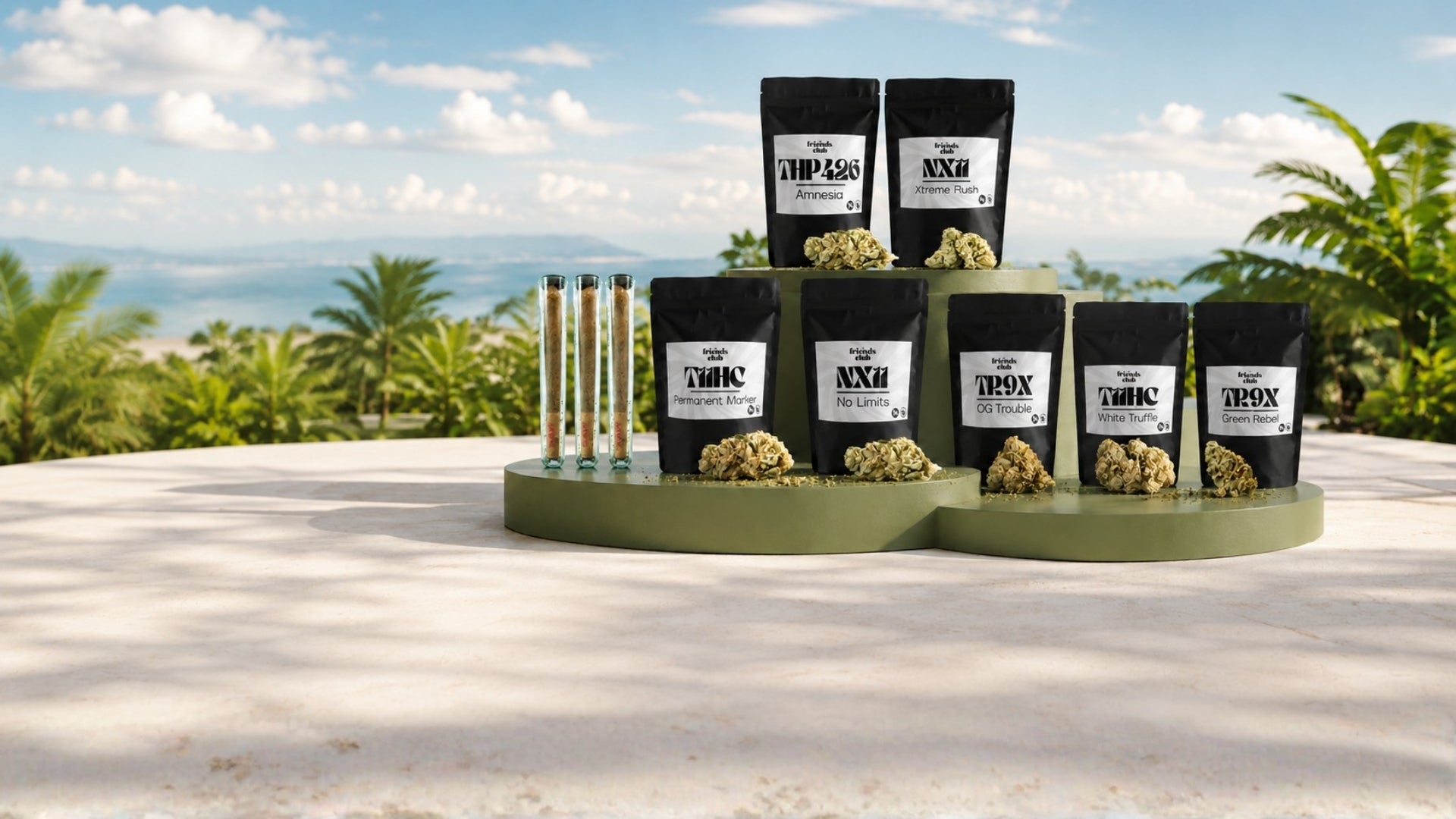
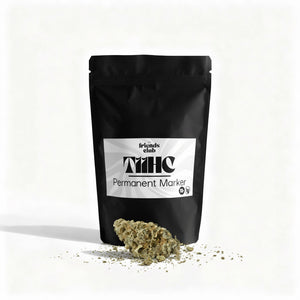
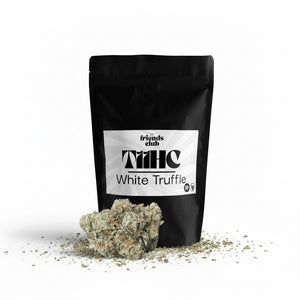
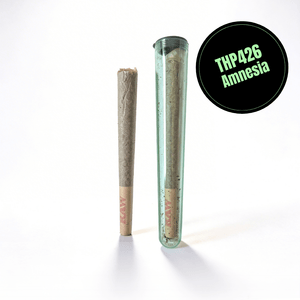
T11HC, HHZ, HHX, PHC, PHCP and THP420
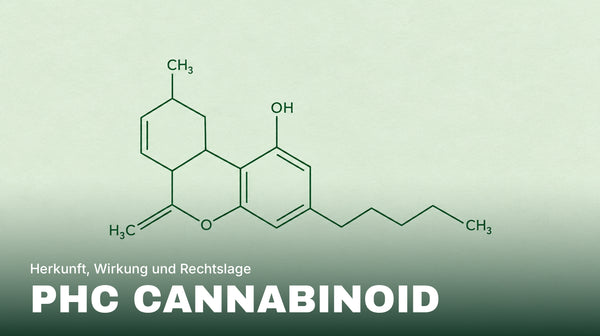
Essentially the same applies to these substances as to T9HC. None of the names appears in the BtMG or in the NpSG annex. What the abbreviations stand for chemically is not independently documented by the manufacturers. If a substance were in fact a derivative of the THC basic structure, it could fall under NpSG group 2.3.
Our assessment: the less a manufacturer reveals about the chemical identity of its substance, the less can be said about the legal situation. You should be aware of this uncertainty before buying.

Why the legal situation changes quickly
HHC shows how fast it can happen. In June 2024 it was added to the NpSG annex, in May 2026 to the BtMG. The NpSG annex itself has also been amended several times recently, by an ordinance of 26 November 2025 and an act of 7 January 2026. If you read an article that is more than a few months old, you may be reading about an outdated legal situation.
That is why we give the legal reference for every statement in this article. You can check the current wording yourself at any time on gesetze-im-internet.de. This is the official collection of laws of the German Federal Ministry of Justice.
What to look out for when buying
A product advertised as "legal" tells you nothing about the legal situation. These questions are more helpful:
- Is the active ingredient clearly stated on the product, with name and amount?
- Does the retailer name a law and a date when making legal statements?
- Is there a lab analysis for the product that you can open yourself, and does it match the batch?
- Does the retailer only sell to adults aged 18 and over?
If the answers remain vague, caution is advised. This article does not replace legal advice. For specific questions, a lawyer specialising in narcotics law can help.
How this article was created
This guide was written by our editorial team and fully revised on 11 October 2026. All legal information comes from the legal texts linked below as of 11 October 2026. We sell products with several of the cannabinoids mentioned ourselves. This article does not replace legal advice.
Sources
- Gesetz zum Umgang mit Konsumcannabis (Konsumcannabisgesetz, KCanG), §§ 1, 2, 3 and 34. gesetze-im-internet.de
- Betäubungsmittelgesetz (BtMG), § 29 and Annexes I and II, last amended by ordinance of 19 May 2026 (BGBl. 2026 I Nr. 150). gesetze-im-internet.de
- Neue-psychoaktive-Stoffe-Gesetz (NpSG), §§ 1, 3 and 4 and Annex 1 No. 2.3, last amended by act of 7 January 2026 (BGBl. 2026 I Nr. 2). gesetze-im-internet.de
- Ujváry I. Hexahydrocannabinol and closely related semi-synthetic cannabinoids: A comprehensive review. Drug Testing and Analysis. 2024;16(2):127-161. PubMed 37269160