









Table of contents
- What is THZ?
- THZ cannabinoid effects: what's known and what isn't
- Is THZ legal in Germany, Austria and Switzerland?
- THZ vs. HHZ vs. H3: the differences
- THZ vapes and joints at a glance
- Side effects and risks of THZ
- Who is the synthetic cannabinoid THZ suitable for?
- How is THZ produced?
- Sources
- How this article was created
 CBD gummy bears - passion fruit 10 pieces 300mg
ab €2,27Ansehen
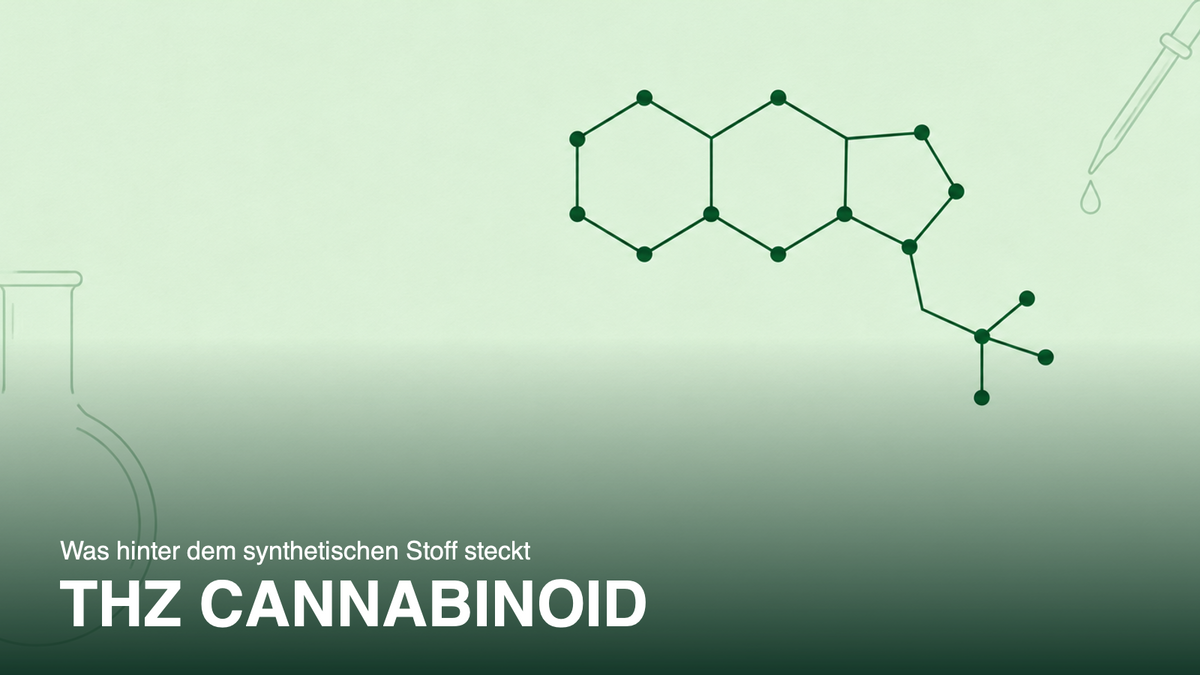
THZ is a synthetic cannabinoid that has turned up in vapes and prerolls in Germany over the past few years. The abbreviation doesn't stand for something the hemp plant itself produces in any meaningful amount: it's manufactured in a lab and then applied to a carrier material. There are no solid pharmacological studies on THZ so far, so almost everything circulating about its effects is based on user reports and analogies to related molecules.
The letter Z points to the substance group of cannabizinols, meaning cannabinoids with a shortened or altered side chain compared to classic THC. The same logic applies to the abbreviation HHZ, i.e. hexahydrocannabizinol. If you want to make sense of THZ, you need to clarify three things: where the molecule comes from, what's known about its effects, and what the legal situation looks like in your own country.
What is THZ?
THZ stands for a synthetically produced cannabinoid from the cannabizinol family, sold in Germany mainly as vape liquid and as prerolls. There's no uniform chemical definition for this abbreviation issued by any authority or scientific body. Manufacturers use it as a product name, and that's exactly the problem when it comes to classification: two products with the same abbreviation don't necessarily contain the same substance.
With new psychoactive substances, variants with altered molecular structures can appear under new abbreviations after a ban.
Important distinction: THZ is not a hemp product. Industrial hemp is defined under § 1 No. 9 of the German Consumer Cannabis Act (KCanG) by a THC content of no more than 0.3 percent, as you can read in the legal text on gesetze-im-internet.de. A cannabinoid produced in a lab doesn't fall under this definition, even if the carrier material is hemp flower. You'll find the basics in our article on synthetic cannabinoids and how they're classified.
THZ cannabinoid effects: what's known and what isn't
There are no published clinical or pharmacological studies on the effects of THZ. What you find in forums and product descriptions comes from self-reports by individual users. Such reports aren't controlled, aren't verified, and say nothing about the actual binding strength at the cannabinoid receptor.
What can be said in general: cannabinoids unfold their psychoactive effects mainly via the CB1 receptor in the central nervous system. How strongly a molecule docks there depends, among other things, on the length and shape of the side chain. In cannabizinols, this chain is altered compared to THC, which shifts the binding properties. Whether this shift leads to a stronger, weaker, or simply different effect in THZ can't be answered without measurement data.
A second point is often overlooked. With synthetic cannabinoids, the range between an amount perceived as pleasant and one perceived as unpleasant can be very narrow. Health risks have been described for synthetic cannabinoid receptor agonists.
If you rely on product information, it's worth looking at the exact designation rather than just the abbreviation. The same caution applies to related substances like PHC, for which we've separately reviewed the available data.
Is THZ legal in Germany, Austria and Switzerland?
The legal situation differs significantly between the three countries, and it changes quickly. Germany mainly deals with new cannabinoids through the New Psychoactive Substances Act, which covers entire substance groups rather than individual molecules. You can find the wording and the substance group annexes in the New Psychoactive Substances Act on gesetze-im-internet.de. Whether a specific molecule falls under one of these groups depends on its structural formula, not its trade name.
Austria and Switzerland each have their own regulations for new psychoactive substances. Both countries work with lists that are continuously updated by the responsible authorities. Which substance is covered at any given time can only be reliably determined through the official publications of each respective country.
| Country | Central regulation | Principle |
|---|---|---|
| Germany | New Psychoactive Substances Act (NpSG) | substance groups instead of individual substances |
| Austria | own regulation for new psychoactive substances | officially maintained lists, continuously updated |
| Switzerland | registers of the responsible federal authority | officially maintained lists, continuously updated |
This leads to an inconvenient answer: a blanket statement like "THZ is legal" or "THZ is banned" can't be made for all three countries, because the classification depends on the exact chemical structure and the current state of the lists. We've compiled how individual cannabinoids are classified in Germany in our overview of the legal status of individual cannabinoids in Germany.
Note: the legal classification of individual cannabinoids such as HHC or THCP can vary depending on the current legal situation. This article describes them only for context, not as a product recommendation.
THZ vs. HHZ vs. H3: the differences
All three abbreviations stand for lab-made products that differ in their base structure and side chain, not for natural hemp compounds. HHZ stands for hexahydrocannabizinol, i.e. a hydrogenated cannabizinol. As with THZ, the Z marks the altered side chain. H3 is mainly a product name whose chemical classification isn't consistently established.
- THZ: cannabizinol type, so far mainly circulating in Germany as vape and preroll, no published effect data.
- HHZ: hydrogenated cannabizinol, somewhat longer on the market, also synthetic, thin data situation.
- H3: trade name without a disclosed structural formula, composition varies by manufacturer.
What all three have in common: the flower or the liquid only provides the carrier material and the terpene profile. The psychoactive component is added. That's why a strain name like Northern Light or Pineapple Express says nothing about the effect in such products, only about the aroma.
A direct potency comparison between the three substances isn't possible due to the lack of measurement data. If you compare percentage figures on packaging, you're comparing the declared share of the additive in the total weight, not receptor activity.
THZ vapes and joints at a glance
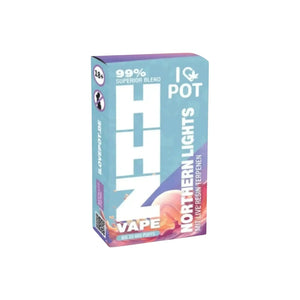
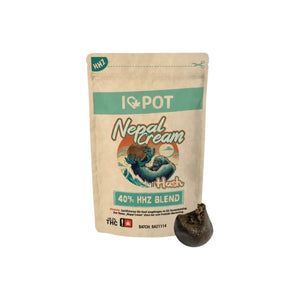
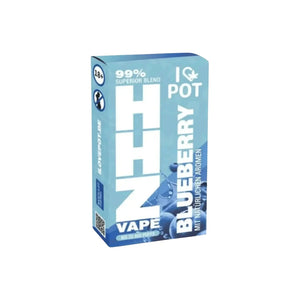
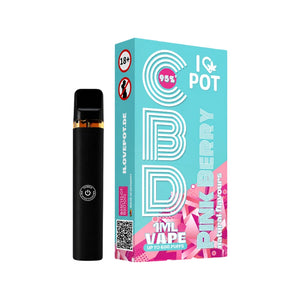
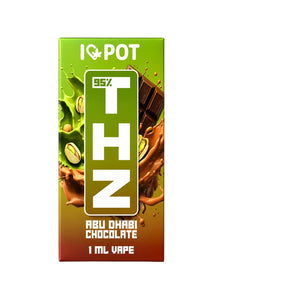
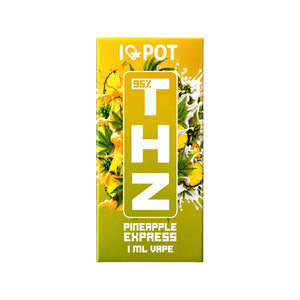
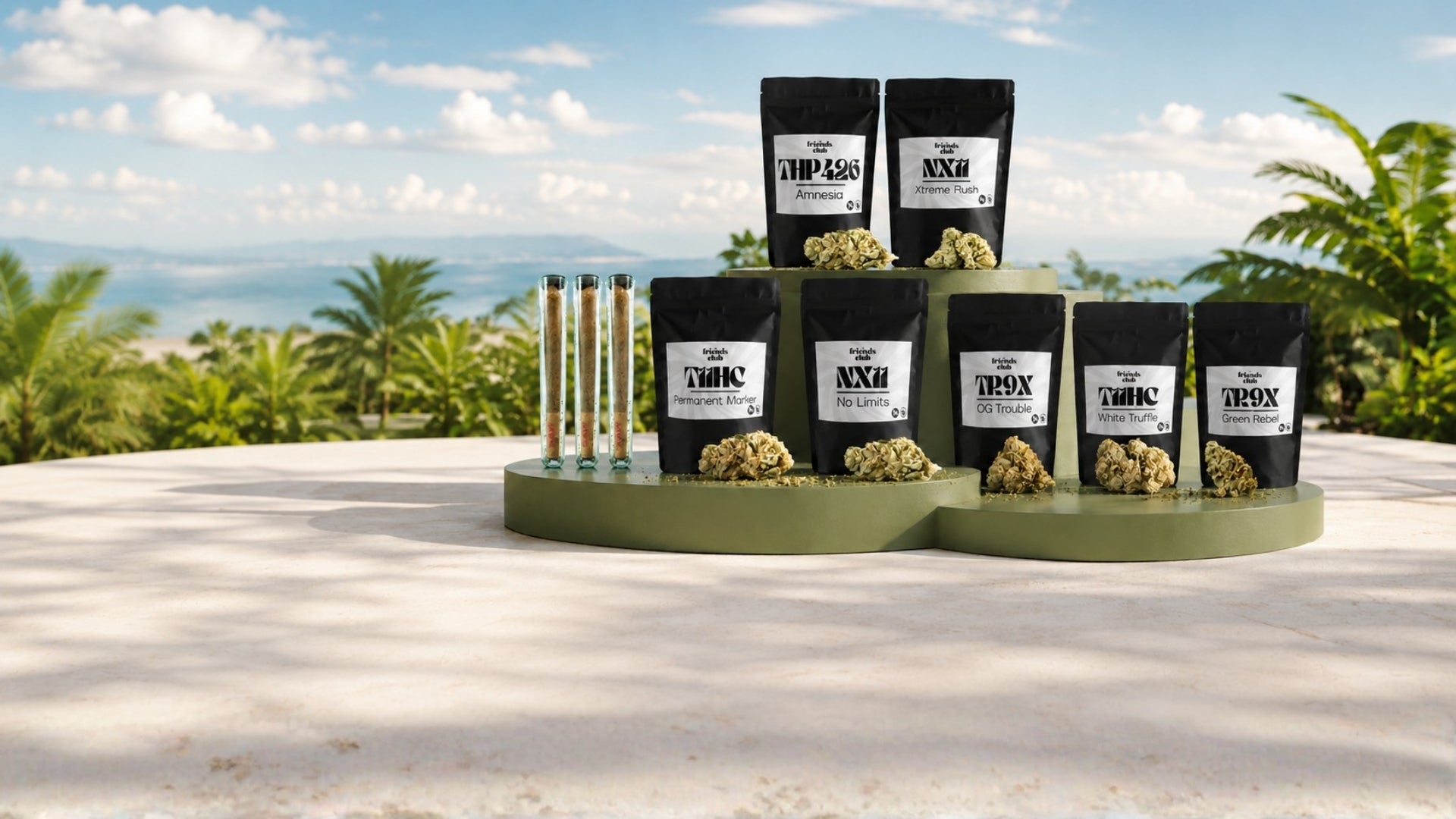
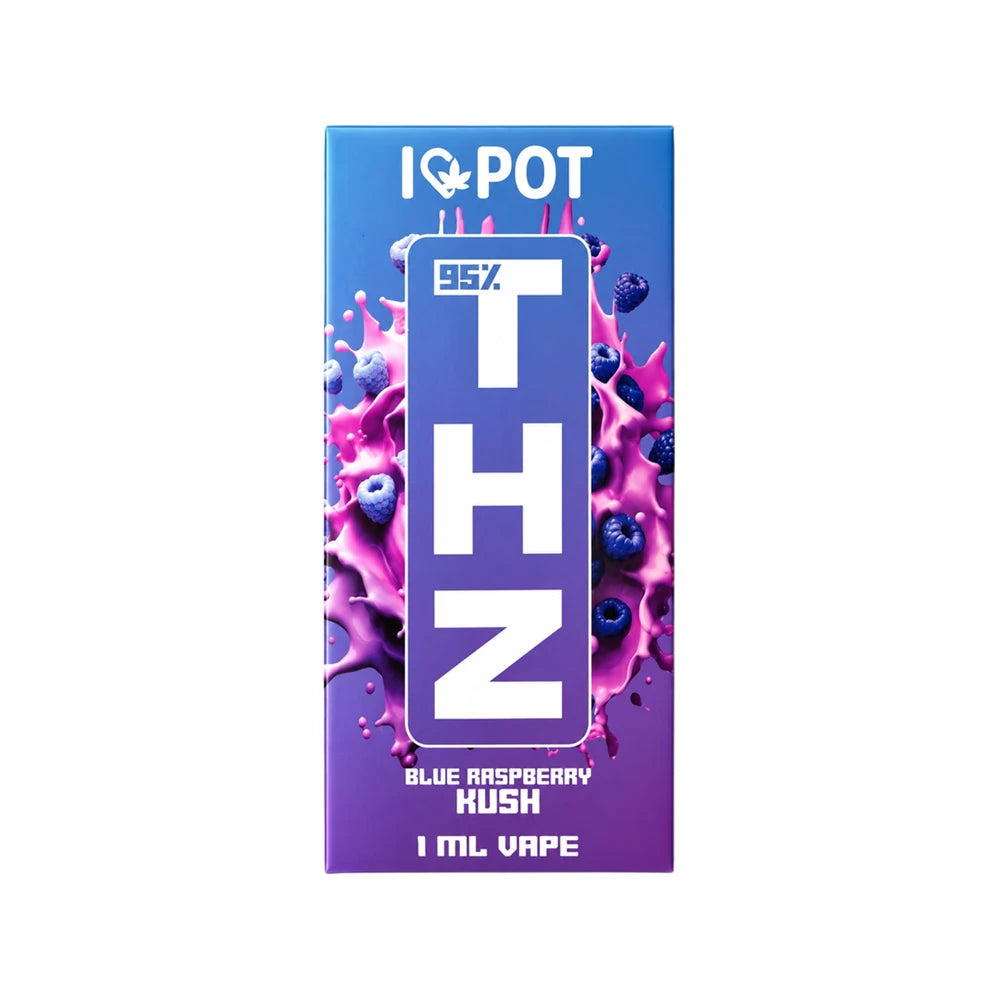
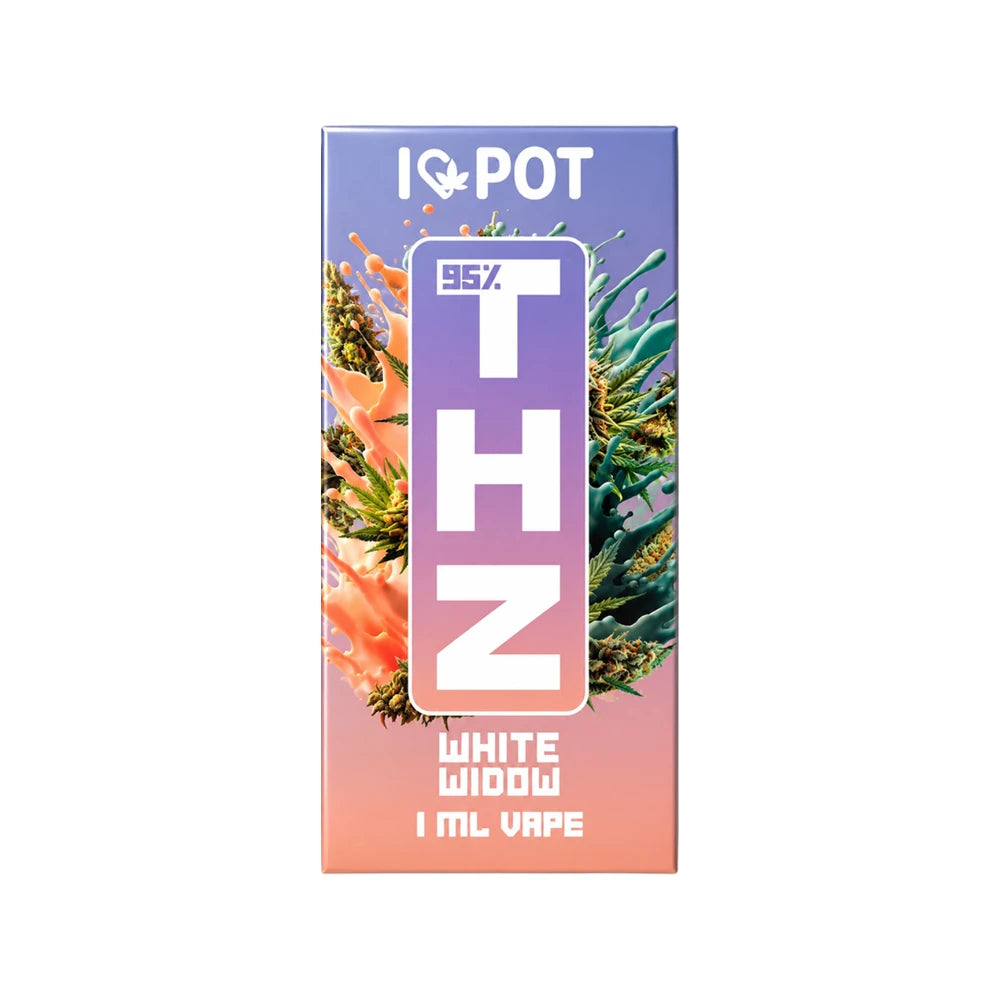
So far you can find THZ on the market in two forms: as a disposable vape with 1 millilitre of liquid and as a preroll with 1.5 grams and a declared concentration of 40 percent. The THZ vapes carried in the range come in five flavours: Blue Raspberry Kush, Lemon Cherry Cookies, White Widow, Pineapple Express and Abu Dhabi Chocolate. The prerolls are available as Northern Light, Pineapple Express and Gorilla Glue.
| Feature | THZ vape | THZ preroll |
|---|---|---|
| Fill quantity | 1 ml liquid | 1.5 g plant material |
| Declared concentration | manufacturer's info per product | 40 % |
| Flavour variants | five | three |
| Combustion | vaporisation via heating coil | open combustion |
| Dosability | hard to gauge per puff | hard to gauge per puff |
You'll find both product types collected in the THZ Vapes and THZ Joints collections. Our article on the key differences between vapes explains the technical distinctions between vaporiser devices.
One peculiarity with sprayed-on cannabinoids: distribution across the plant material is rarely even. Two joints from the same batch can turn out differently strong, even if both carry the same percentage figure.



Side effects and risks of THZ
For THZ itself there's no systematically collected side-effect data, but there is for the group of synthetic cannabinoids as a whole. Various health risks have been described for this substance group.
Three risk factors are especially relevant for THZ:
- Unknown purity: by-products from synthesis can't be ruled out without a certificate of analysis.
- Uneven distribution: with sprayed flower material, the active ingredient content varies within a batch.
- Missing long-term data: nothing is known about chronic use, dependence potential, or interactions with medication.
There's also the question of fitness to drive. Standard rapid drug tests are calibrated for THC metabolites and don't reliably detect newer synthetic cannabinoids. A negative rapid test therefore doesn't mean fitness to drive, and in cases of noticeable impairment on the road, the police don't decide based solely on a test strip. If you're looking for help or factual information about the risks of use, you'll find it at the prevention platform cannabispraevention.de.
Combining with alcohol, sedatives or other psychoactive substances increases the risk of circulatory problems. If you experience persistent racing heart symptoms or confusion, emergency medical services are the right place to turn.
Who is the synthetic cannabinoid THZ suitable for?
THZ is aimed exclusively at adults who are aware of the thin data situation. No recommendation can be derived from this, but a list of points can, which should be clarified before making a decision.
- Is the exact molecule named, not just the abbreviation?
- Is there a certificate of analysis from an independent lab for the batch?
- Is the legal classification in your own country of residence clarified, and up to date?
- Are there pre-existing conditions affecting the cardiovascular system or mental health?
- Are you regularly taking medication for which interactions are conceivable?
- Is driving, operating machinery, or professional responsibility coming up in the next few hours?
THZ is clearly not suitable for people with a known history of psychotic episodes and for anyone who depends on a predictable effect. If you're looking for a better-researched alternative, you'll find it more in the area of CBD flowers, for which significantly more published data is available.
How is THZ produced?
THZ is created through several chemical steps in a lab, not through extraction from hemp. Manufacturers usually start from a precursor molecule derived from hemp, which they chemically modify. With cannabizinols, they specifically alter the side chain. They then purify the product and remove residues of the solvents used.
Next comes packaging. For vapes, producers mix the concentrate with terpenes and sometimes with thinning agents into a liquid and fill it into cartridges. For prerolls, they dissolve the concentrate and apply it to flower material, which is then dried and processed into joints. Both steps help determine how evenly a product turns out.
Quality differences mainly arise at three points: the purity of the starting material, the complete removal of reagents and solvents, and the homogeneity of the final mixture. Without a certificate of analysis, each of these stages remains invisible to buyers. Our article on highly dosed products and what the numbers actually mean shows how to interpret percentage figures on packaging.

Sources
- European Monitoring Centre for Drugs and Drug Addiction (EUDA): European Drug Report
- German Consumer Cannabis Act § 1: gesetze-im-internet.de
- New Psychoactive Substances Act: gesetze-im-internet.de
- cannabispraevention.de
How this article was created
Researched and written by the editorial team at shinyfriends.de. This article is regularly updated. The text is for informational purposes and does not replace medical or legal advice. For product questions, you can reach our customer service team via the contact link in the footer.


