







Frozen Hash Cannabis: Everything you need to know
Frozen hash is hashish made from cannabis that is frozen directly after harvest instead of being dried. The trichomes, meaning the resinous glands on the flowers, are separated from the plant material while frozen, usually with ice water or by dry sieving. The result is much purer and stronger than classic block hash. Here you can read how the process works in principle, which terms belong to it and what the legal situation is in Germany.

What is frozen hash?
Frozen hash is not a protected term. The word "frozen" refers to the starting material: the flowers are flash-frozen after harvest and stay deep-frozen until they are processed. In the scene, this material is called fresh frozen. The finished hash itself is not stored frozen permanently afterwards.
In everyday use, retailers and consumers usually mean one of two products when they say frozen hash:
- Ice water hash (also called bubble hash) made from frozen material and washed in ice water
- Frozen sift, where the frozen flowers are dry-sieved over fine screens
In colloquial language, people often just say "frozen". Searches such as "frozen weed", "frozen grass" or "what kind of drug is frozen" almost always refer to this concentrate and not to frozen flowers for smoking.
Why cannabis is frozen for frozen hash
At room temperature, trichomes are soft and sticky. Cold makes them hard and brittle, so the heads break off the stalk with slight movement and separate from the plant tissue. Dried material, on the other hand, crumbles, and fine leaf residues end up in the sieved material.
A second reason is the terpenes. Some of these volatile aroma compounds evaporate while cannabis dries and cures. If the plant is frozen immediately, more of the original aroma profile is preserved. This is why good frozen hash smells more intense and fresher than pressed hash made from dried material.
Frozen hash production: an overview of the methods
There is no single recipe for frozen hash. The methods differ in how the trichomes are separated. The following table shows the common variants without going into how they are carried out in practice.
| Method | Separation | Typical result |
|---|---|---|
| Ice water hash (bubble hash) | Ice water, movement and graded sieve bags | Moist resin that is then dried, often by freeze-drying |
| Frozen sift (frozen dry sift) | Dry sieving of the frozen flowers | Fine, light trichome powder without contact with water |
| Static frozen | Frozen sift plus electrostatic cleaning | Very pure sieved material with few plant residues |
| Piatella | Ice water hash, followed by weeks of cold curing | Creamy, butter-like consistency |
Ice water hash is the most common basis. The trichome heads are sorted by size using screens with mesh sizes in the micrometre range. The fractions with the purest heads are considered premium goods. Our article on ice-o-lator and bubble hash explains how water, cold and screens work together in this process. The dry variant without water is described in the dry sift guide.

Frozen sift, WPFF and full melt: the key terms
Many English technical terms come up around frozen hash. The table explains them:
| Term | Meaning |
|---|---|
| Fresh frozen | Flowers that are frozen directly after harvest. The basis for all frozen variants. |
| WPFF | Whole plant fresh frozen. The whole plant including its leaves is frozen, not just the flowers. |
| Frozen sift | Dry-sieved resin from frozen material. It does not come into contact with water and does not need to be dried afterwards. |
| Full melt | Quality grade of ice water hash that melts almost without residue when heated. Often rated on a star scale from 1 to 6. |
| Static frozen | Frozen sieved material that is additionally cleaned of plant residues using static charge. |
| Frozen plakka | Colloquial term for pressed frozen hash in slab form. |
The comparison static and frozen hash explains exactly how static and frozen differ. If you are interested in the purely electrostatic method, you will find the details on the page about static hash.
Frozen hash THC content
In terms of THC content, frozen hash is clearly above classic hashish. For conventional cannabis resin on the European market, an evaluation of data from the EU drugs agency EMCDDA shows an increase from an average of 8.1 % THC in 2006 to 17.2 % in 2016. The authors see this as an indication of new production techniques (Freeman et al., Addiction 2019).
Frozen variants consist almost entirely of trichome heads and are therefore stronger. Manufacturers and lab reports often state values between 40 and 70 % THC for frozen sift and ice water hash. The value depends heavily on the starting strain, the sieve fraction and the care taken during separation.
| Product | Usual THC range |
|---|---|
| Classic block hash (EU average 2016) | approx. 17 % |
| Frozen sift and ice water hash | approx. 40 to 70 % |
| Full melt fractions and Piatella | sometimes over 70 % |
A number on the packaging is only worth as much as the analysis behind it. A current lab report for the specific batch is what you can rely on. The higher the THC content, the higher the risk of being overwhelmed and of problematic use. You will find information on this in our addiction awareness section.
Recognising frozen hash: quality features
At first glance, many types of hash look similar. These features help you assess them:
- A light blonde to golden brown colour indicates little plant material. Very dark, greenish material usually contains leaf residues or is oxidised. However, the colour also depends on the strain.
- Good frozen hash clearly smells of the starting strain when you open it. A musty or hay-like smell indicates moisture or old goods.
- Frozen sift is powdery to sandy, while pressed frozen hash can be shaped. If the material seems wet or shows white spots, mould may be the cause.
- Reputable producers name the strain, the method and the micron fraction and make a lab report available.
Storing frozen hash
Hash loses aroma and active compounds over time, because light, heat and oxygen break down terpenes and THC. For this reason, frozen hash is kept in an airtight, light-proof container in a cool place. Many manufacturers recommend the fridge. It is important that no moisture gets in, because wet resin goes mouldy quickly. When you take the jar out of the cold, keep it closed until it has reached room temperature so that no condensation forms.

Frozen hash, static hash and Piatella compared
The three terms are often mixed up. In short: frozen describes the frozen starting material, static describes the electrostatic cleaning of dry-sieved resin, and Piatella hash is cold-cured ice water hash from Barcelona. A product can therefore be frozen and static at the same time. You will find a detailed comparison with a table in the article Piatella, frozen and static hash: the differences.
Is frozen hash legal in Germany?
Frozen hash with THC is cannabis within the meaning of the German Consumer Cannabis Act (KCanG), which has applied since 1 April 2024. For adults aged 18 and over, this means:
- Possession of up to 25 grams of cannabis in public and up to 50 grams at home is permitted. The limit applies to the weight, not to the THC content.
- Private home growing of up to three plants is permitted.
- Cultivation associations may supply hashish in pure form to their members.
- Selling, shipping and online trading of THC cannabis are prohibited. This is why you cannot legally buy frozen hash with THC in any German online shop.
Our drug glossary offers an overview of other substances and their legal status.
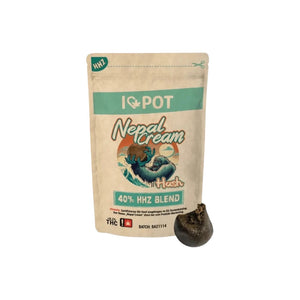
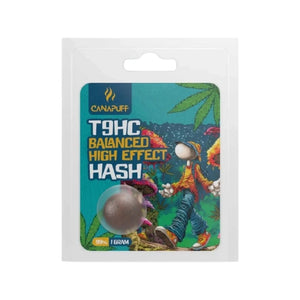
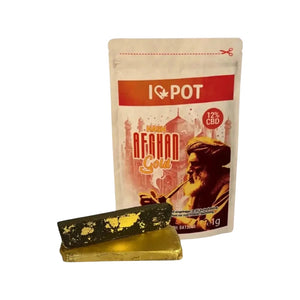
Hash products at shinyfriends
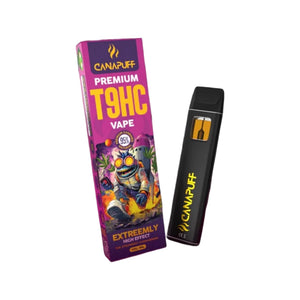
shinyfriends does not carry THC hash. In our range, you will find hash products with other cannabinoids, for example HHZ or T9HC. Which active compound is included, and in what amount, is stated for every product. You will find the selection in the hash slabs category.