





HHZ appears on dozens of product pages. Very few of them explain what the term actually means.
HHZ is the abbreviation for hexahydrocannabizinol, a semi-synthetic cannabinoid obtained by hydrogenation from EU certified industrial hemp. It does not occur in significant amounts in the cannabis plant. What that means, what is known about it and why the legal situation in 2026 deserves a closer look: that is what this article is about. If you want to take a look right away, you can order HHZ products online here, from vapes and hash to prerolls.
What is HHZ?
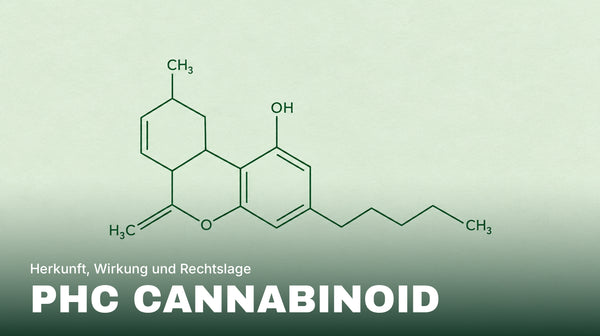
HHZ (hexahydrocannabizinol) is created by hydrogenating hemp CBD: hydrogen atoms are deliberately introduced into the molecular structure, double bonds are saturated and the compound becomes more stable. The result has its own chemical characteristics that differ from other cannabinoids.
The starting material is CBD from EU certified industrial hemp. This is not a marketing phrase, but the actual synthesis route. Stabilisation through hydrogenation has a practical side effect: HHZ is less sensitive to light than many other cannabinoids. For consumers, this means more consistent quality across batches and better shelf life of the end product.
What many people don't know: there is an active and an inactive form. The two forms differ in their properties. Which form the product contains and in what proportion is shown only by the lab certificate of an accredited third-party laboratory. Without the certificate, any quantity stated on the packaging remains unverified.
HHZ does not come directly from the plant. It is manufactured. That distinguishes it from cannabinoids such as CBD or CBG, which occur in relevant amounts in hemp. I think it is important to say this clearly, instead of writing vaguely about "natural sources" like many shops do and leaving the production in the dark.
Direct comparison with HHX: HHX vs. HHZ: what are the differences?
State of knowledge
There are no reliable scientific data on how HHZ acts in humans.
There are no clinical studies so far. With new semi-synthetic cannabinoids, this is the rule. Information found online comes from individual user reports, which are subjective and cannot be generalised. We therefore do not make any statements about effects.
What we can say: HHZ is not marketed as a product of maximum intensity. Our product information refers to composition, product form and lab values, not to promised effects.
Product forms at a glance
| Product form | Use | Portioning | Note |
|---|---|---|---|
| Inhalation (vape) | Inhaled | In small puffs | Follow the manufacturer's information |
| Inhalation (flowers, joints) | Smoked or vaporized | Depending on the amount | Lab report per variety |
| Oral (edibles) | Eaten | Per piece | Onset can be considerably delayed |
Individual differences in metabolism, body mass and experience with cannabinoids play a major role. This applies here as with any other cannabinoid. With oral products in particular: be patient. Anyone who takes more after an hour because nothing seems to be happening often ends up taking two doses at once.

Side effects
Reported side effects of HHZ include dry mouth, slight reddening of the eyes and occasionally increased appetite. Similar reports exist for other psychoactive cannabinoids.
Too large an amount can lead to anxiety, an increased heart rate and disorientation. This is not specific to HHZ. The transition from a pleasant to an unpleasant experience is not a fixed step, but a gradual one that depends heavily on individual factors.
Anyone who is generally sensitive to psychoactive substances or has a family history of psychotic disorders: avoid HHZ. No exceptions.
HHZ and other new cannabinoids
Many who are new to HHZ ask how it compares to what they already know. We do not make comparisons of strength or effect. The table shows production, research status and legal status at a glance.
| Cannabinoid | Production | Research status | Note | Status DE 2026 |
|---|---|---|---|---|
| HHZ | Semi-synthetic (hydrogenation from CBD) | Limited data | Lab report essential | Not listed by name in BtMG or NpSG (as of 2026) |
| HHX | Semi-synthetic | Limited data | No longer in our range | Not conclusively clarified |
| HHC | Semi-synthetic (hydrogenation) | Limited data | Not in our range | Banned: BtMG Annex II since 23.05.2026 |
| THCP | Naturally occurring, commercially synthesised | Limited data | High CB1 affinity reported in laboratory studies | Banned: NpSG since 27.06.2024 |
The table shows: all of these cannabinoids are new, have hardly been researched, and their legal assessment can change. A more detailed comparison between HHX and HHZ: HHX vs. HHZ, what are the differences?
Who is HHZ suitable for?
HHZ is a product for adults and not for everyone. That determines who it may suit and who it does not.
Since data on HHZ is limited, anyone without experience of psychoactive substances should be particularly careful or refrain from using it. Start with small amounts and follow the manufacturer's information.
HHZ is not suitable before activities that require full attention, such as driving or operating machinery.
Pregnant or breastfeeding people and people with pre-existing health conditions should refrain from using it.
HHZ product forms and products
HHZ is available in four main forms: vapes, flowers, hash and prerolls. Each has different practical properties.




HHZ vapes
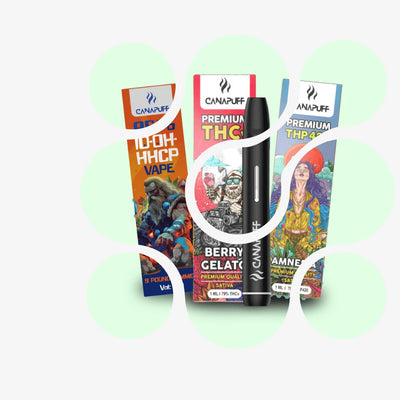
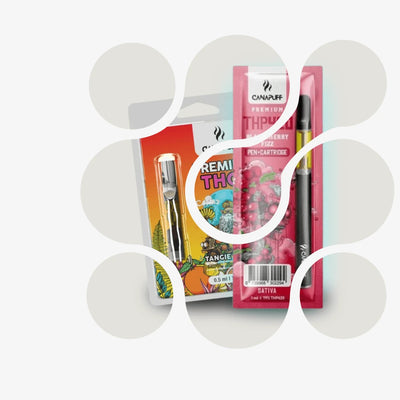
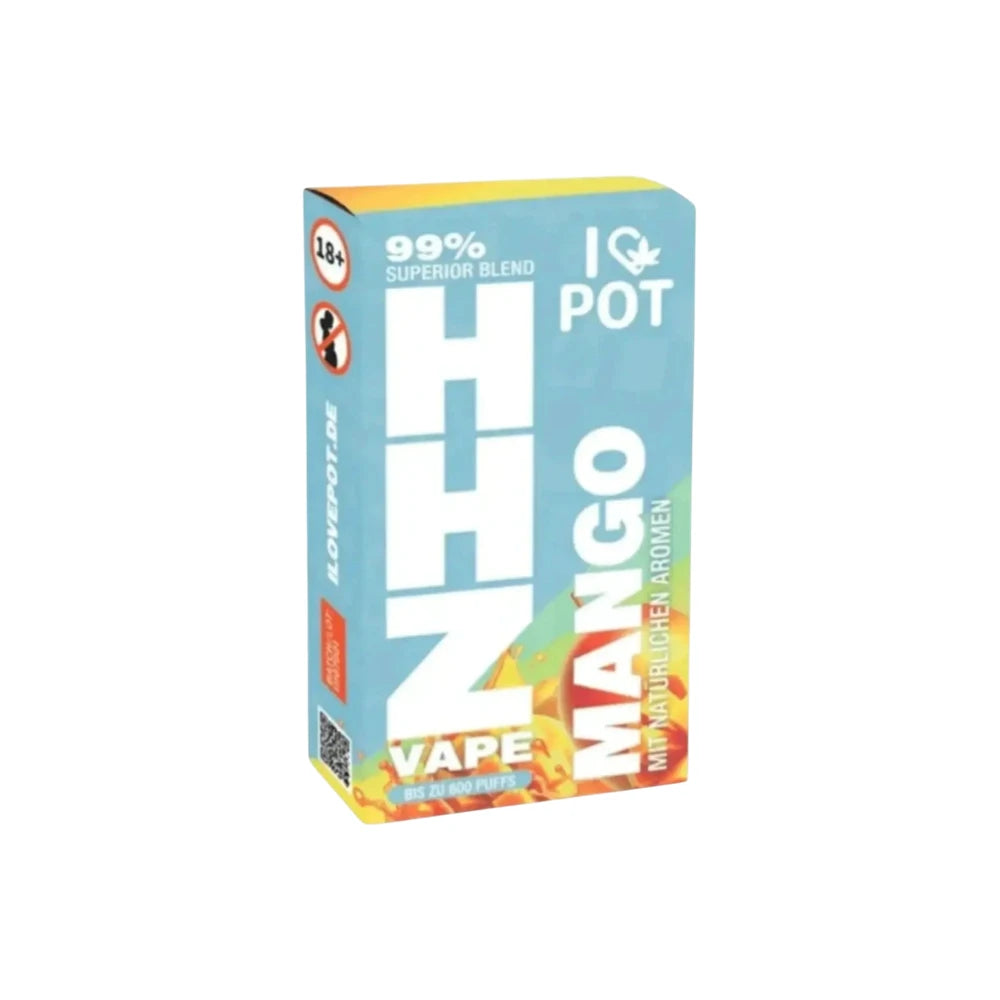
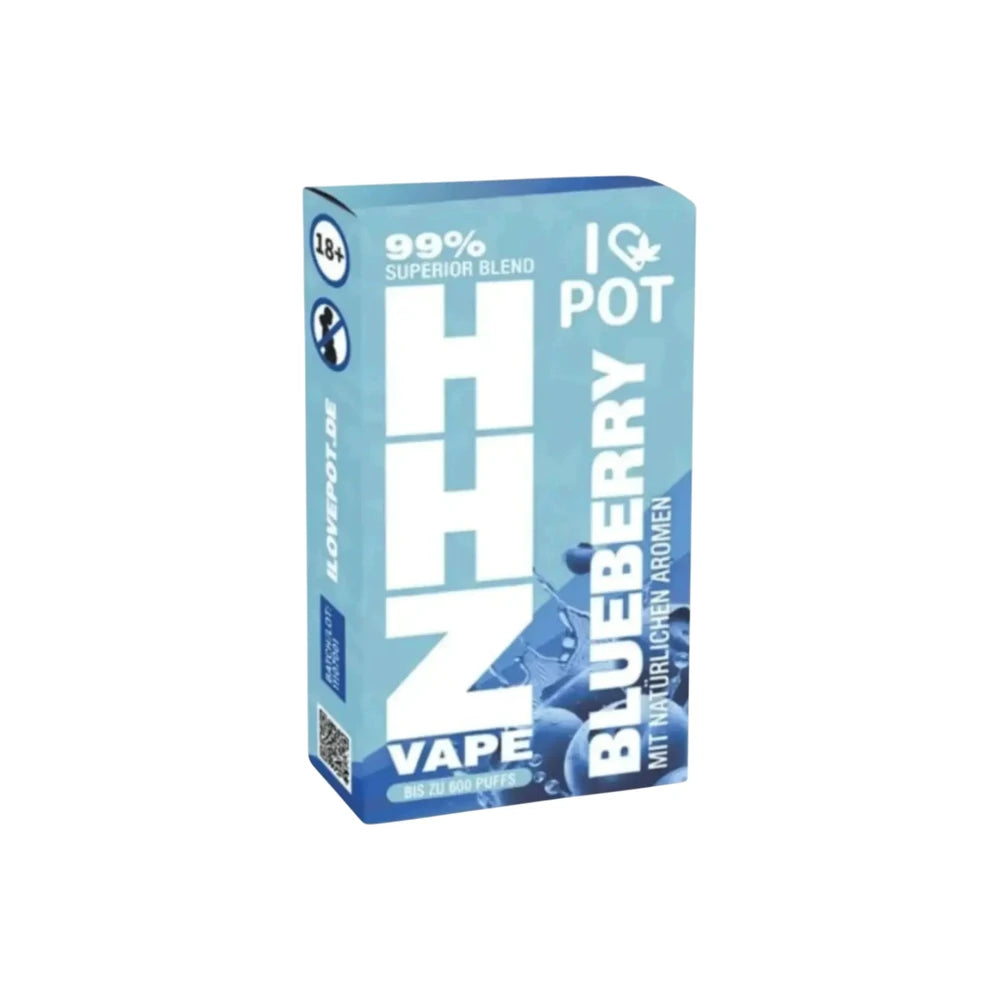
Easy to handle, easy to portion, discreet. Our vape pens contain blends with up to 99% HHZ content, flavoured with terpene profiles: Amnesia, Mango, Blueberry, Lemon Haze, Pink Berry, Northern Lights. The BOB series has a 1ml capacity and is refillable.
Our range: HHZ vapes. Popular choices include the HHZ Vape Pen Mango 95% 1ml and the BOB HHZ Vape Pen Purple Haze 99% 1ml.
HHZ flowers
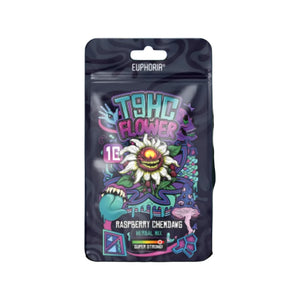
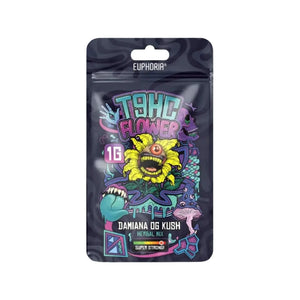
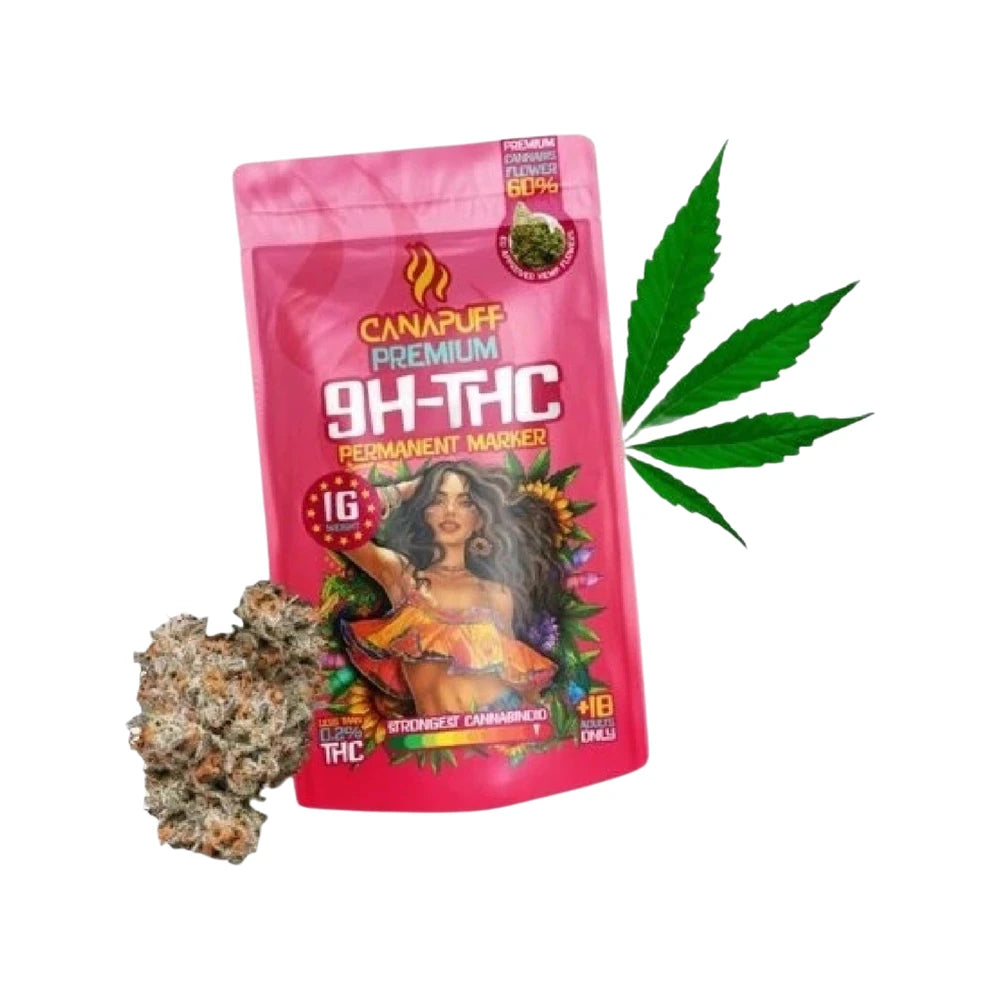
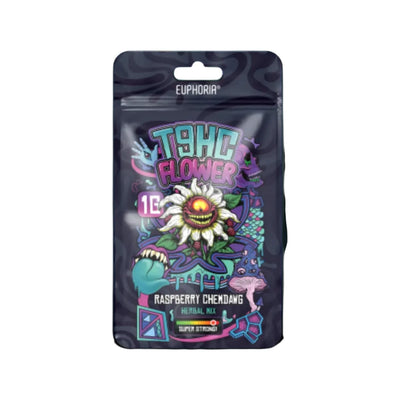
EU hemp flowers, refined with HHZ distillate. Each genetics brings its own terpene profile, which shapes the aroma.
| Variety | Dominant terpenes | Aroma |
|---|---|---|
| Gorilla Glue | Myrcene, caryophyllene, limonene | Earthy, pine resin, slightly sour |
| Northern Lights | Myrcene, terpinolene, caryophyllene | Sweet and earthy, warm, slightly spicy |
| Skunk | Myrcene, caryophyllene, limonene | Intensely spicy, classic skunk aroma |
| Purple Diesel | Myrcene, limonene, caryophyllene | Fruity, light diesel note |
| Super Lemon Haze | Limonene, terpinolene, myrcene | Fresh citrus, bright, slightly sweet |
Myrcene dominates in almost all varieties and is responsible for the earthy base profile. Varieties with a higher limonene share such as Super Lemon Haze have a fresher, brighter character. If you are looking for the classic, full aroma: Gorilla Glue or Skunk. If you like it a little lighter: Super Lemon Haze.
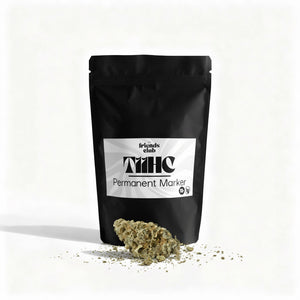
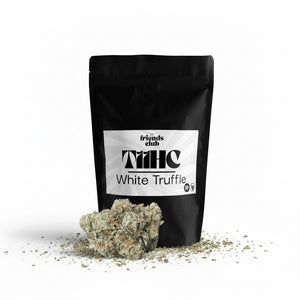
Our range: HHZ flowers.
HHZ hash
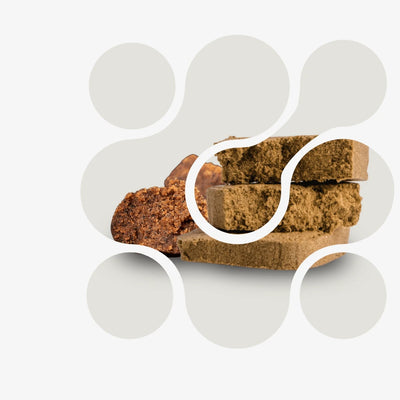
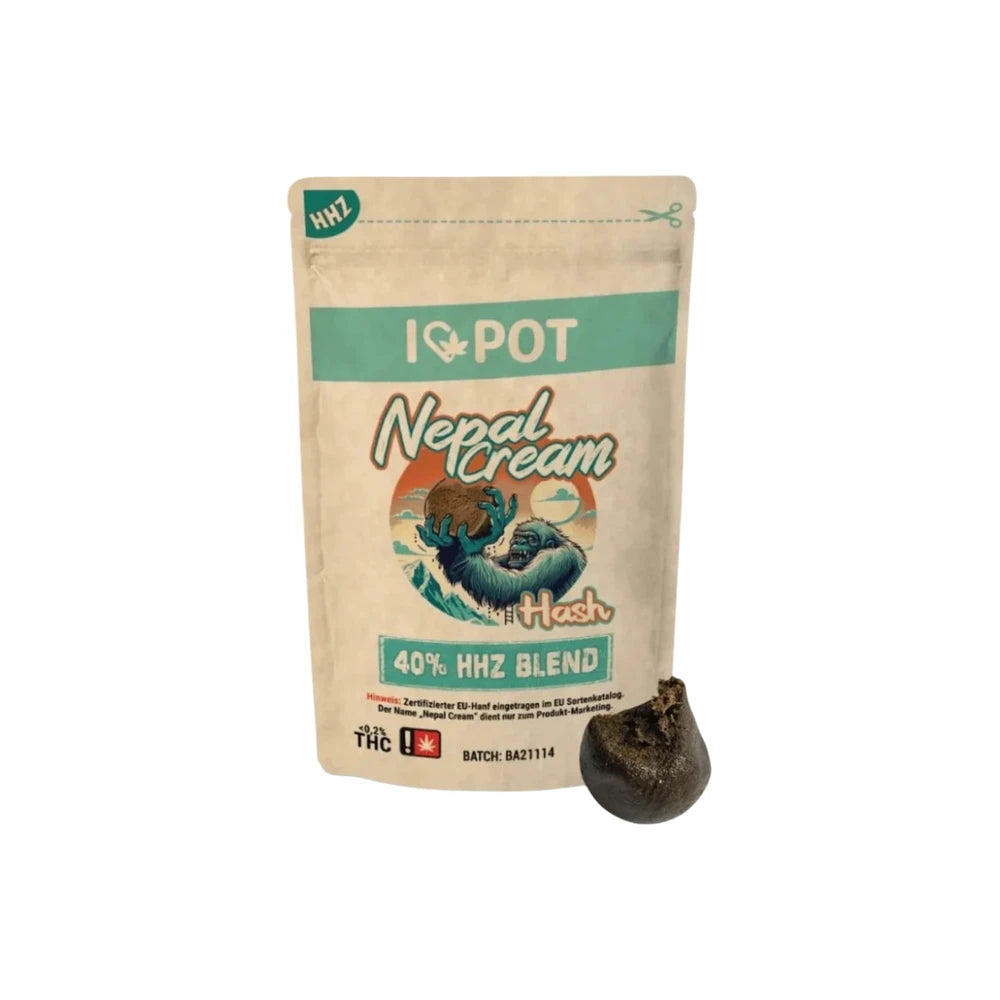
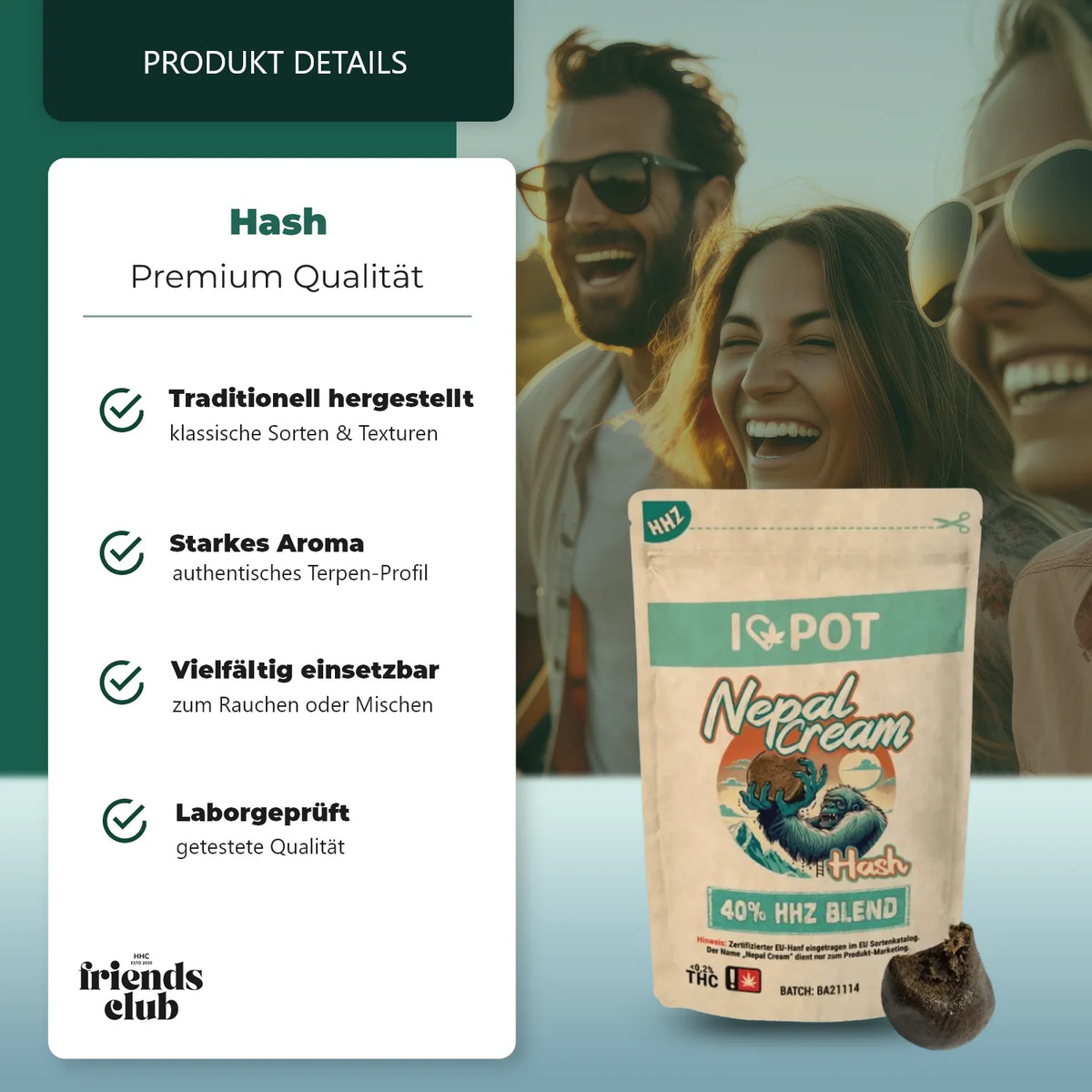
Compressed hemp pollen extract with HHZ content. More concentrated than flowers, more even consistency. Nepal Cream and Super Pollen are the classic varieties. Easier to portion than flowers.
Our range: HHZ hash, for example the HHZ Hash Nepal Cream 40%.
HHZ joints and prerolls
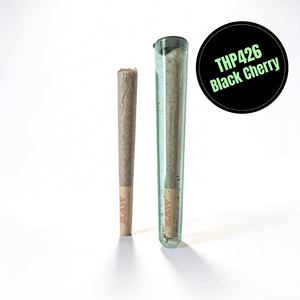
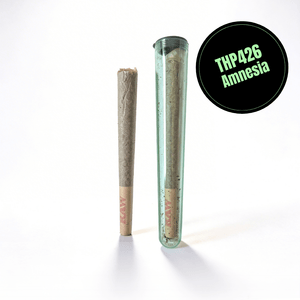
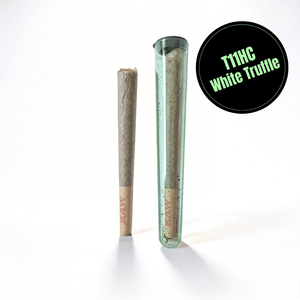
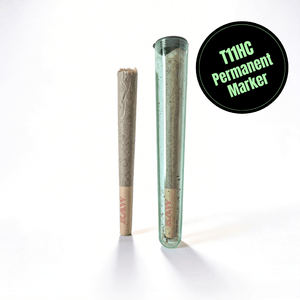
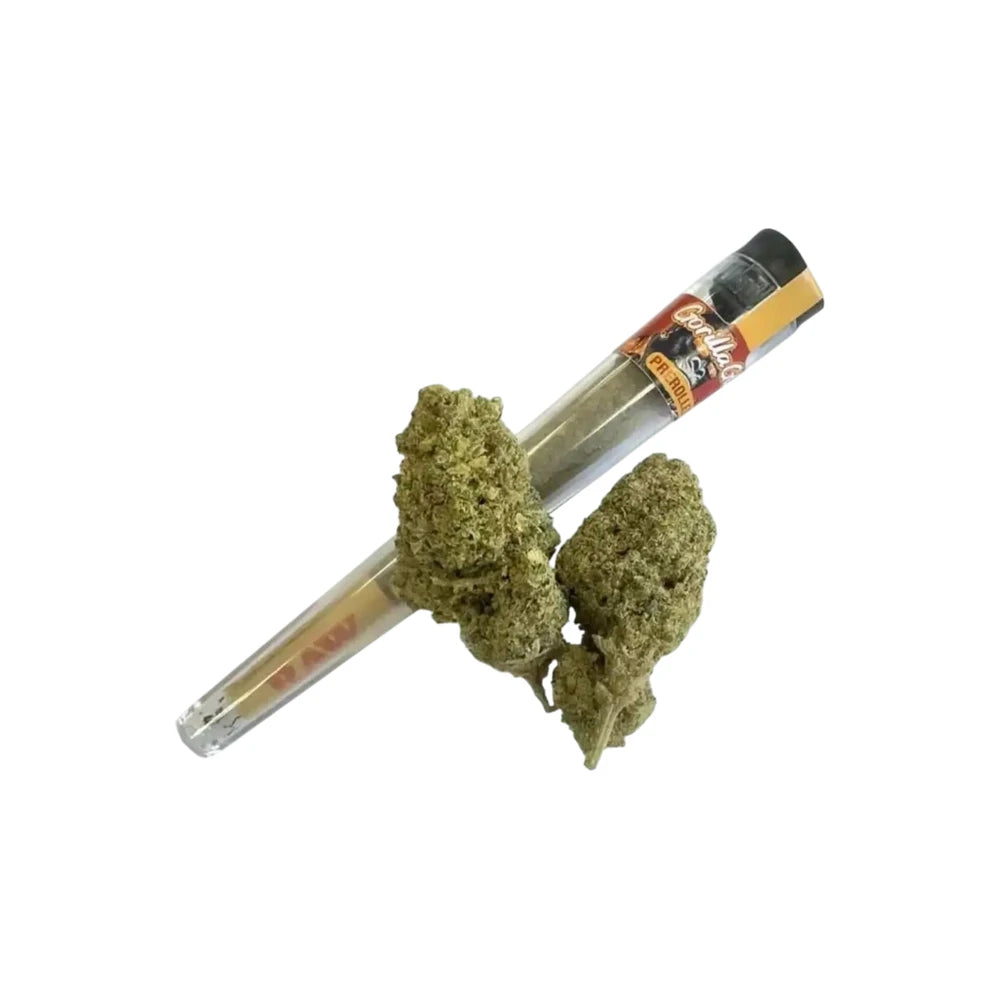
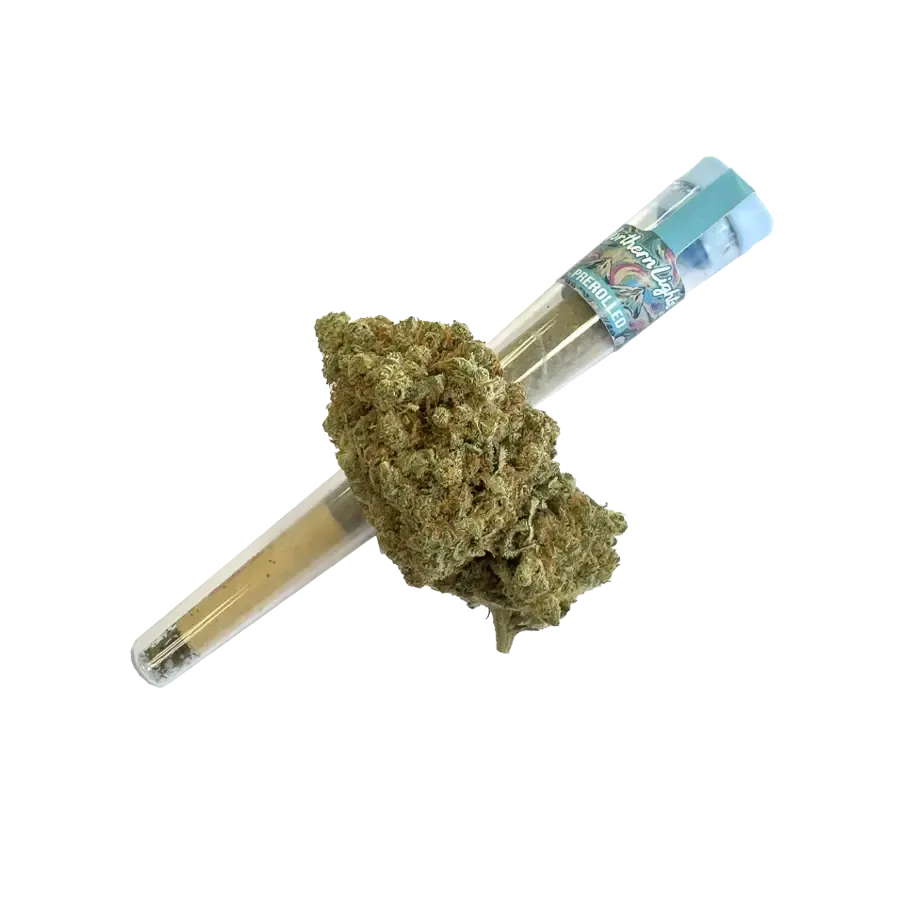
Ready rolled HHZ joints, ready to use. No accessories needed. The BOB preroll series covers varieties from Amnesia and Lemon Cherry Gelato to Purple Punch, Pineapple Express and Skunk.
Our range: HHZ joints, for example the HHZ Prerolled Joint Super Lemon Haze 40% 1,5g or the HHZ Prerolled Joint Gorilla Glue 40% 1,5g.



Legal situation in Germany 2026
At the beginning of 2026, HHZ is not listed by name in either the Narcotics Act (BtMG) or the New Psychoactive Substances Act (NpSG). This does not amount to a binding legal assessment, and the situation can change quickly through new regulations.
This is no all-clear for eternity. The NpSG contains an analogue clause for structurally related substances. How this is applied to new semi-synthetic cannabinoids has not been conclusively decided by the highest courts. Substances that are in a grey area today can end up on prohibition lists without much advance notice. The history of recent years shows this clearly.
In the Netherlands, several new cannabinoids have been on List I of the Opium Act, the most restrictive category, since January 2026. A signal HHZ users should be aware of. Austria and Switzerland have their own regulatory frameworks that differ from the German situation. Do not infer anything from Germany.
This information is for general information only. Not legal advice. For specific questions, seek individual legal advice.
Our overview shows how other cannabinoids are classified in 2026: Cannabinoids 2026: the current overview.
What to look out for when buying
The market for new cannabinoids is hardly regulated, and you can see that in product quality if you look closely.
The lab certificate comes first. A CoA from an accredited third-party laboratory with no financial connection to the supplier. The CoA must show the complete cannabinoid profile, confirm Delta-9-THC below the statutory limit and include panels for residual solvents, pesticides and heavy metals. If any of these panels is missing, the certificate is incomplete. And so is the product.
Then the quantity. How much HHZ is in the product, in percent or mg? A product that only prints "contains HHZ" on the packaging without a specific value makes targeted buying impossible. That is not a quality feature, but the absence of one.
And the origin: EU hemp as the starting material, a nameable manufacturer, a traceable synthesis route. Vague product descriptions without verifiable detail are no coincidence in an unregulated market. They are a method.
The complete HHZ range with CoA documentation: HHZ collection.