





Table of contents
- What hashish is
- How is hashish made? The traditional methods
- Making hashish with ice water: bubble hash and ice-o-lator
- Hash from sugar leaves and leaves
- Hash from stems: why it hardly yields anything
- Is making hashish allowed? What the KCanG says
- Passing on, possession limits and protecting children
- Hash at shinyfriends
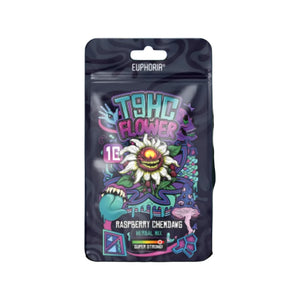
 T9HC Herbal Mix – Raspberry Chemdawg (1 g)
€6,97Ansehen
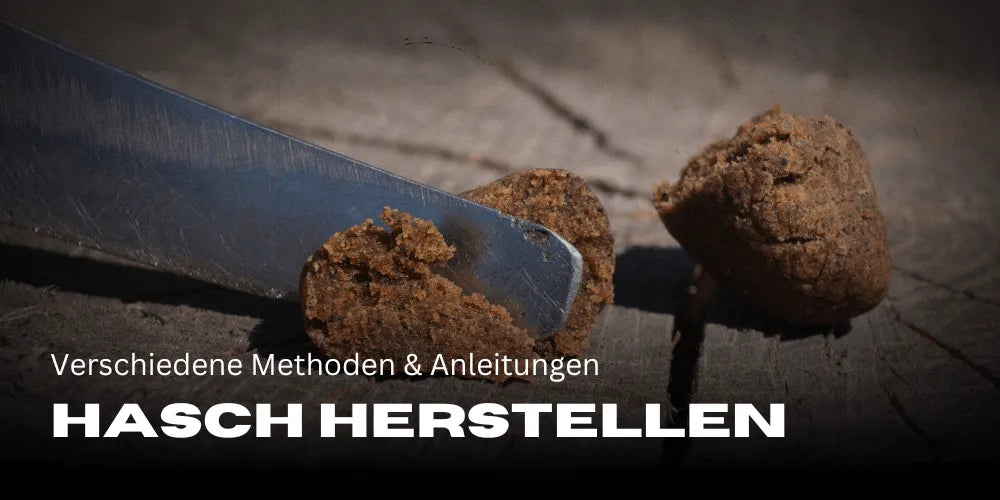
If you search for "making hashish", you will find almost nothing but DIY instructions. What they rarely mention is what the Consumer Cannabis Act says about it. In short: hashish is made by separating the resin-containing glandular hairs of the cannabis plant, the trichomes, from the flowers and pressing the collected resin together. There are two traditional ways of doing this, dry sieving and rubbing fresh flowers between the hands, and a more recent method using ice water. Legally, manufacturing cannabis is generally prohibited under § 2 (1) No. 3 KCanG. Adults are permitted to grow up to three plants privately. Whether extracting resin from your own harvest is still part of that is not expressly regulated by the law (as of 11 October 2026).
What hashish is
The Consumer Cannabis Act defines hashish briefly as "the separated resin of the cannabis plant" (§ 1 No. 5 KCanG). This resin is produced by the trichomes. These are tiny glandular hairs with a stalk and a spherical head that look like crystals under a magnifying glass. They are where the plant's cannabinoids and terpenes are formed.
A study by the University of British Columbia showed that the trichomes richest in cannabinoids are the stalked glandular hairs on the flowers. Leaves mainly carry smaller, unstalked trichomes with a different content profile (Livingston and colleagues, 2020). This explains why hashish is almost always made from flowers and leaves close to the flowers. You can read in detail how trichomes are structured and how they mature in the guide to cannabis trichomes.
How is hashish made? The traditional methods
Hashish production developed differently depending on the region. Two methods still shape the well-known varieties today.
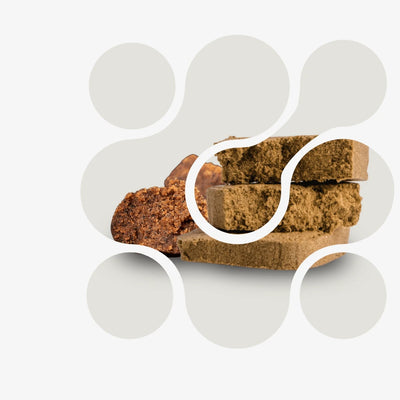
Dry sieving. In Morocco, Lebanon and Afghanistan, dried plant material is moved over fine sieves. The ripe trichomes break off and fall through the mesh as a powder. This powder is called kief. It is pressed into the classic block. Today the result is often sold as Dry Sift.
Hand rubbing. In India and Nepal, farmers rub fresh, still living flowers between their palms. The sticky resin collects on the skin and is formed into dark, soft pieces. This is how charas is made. The method is laborious and yields only small amounts.
In the end, almost all hash is pressed. Pressure and a little heat bind the resin into a solid mass that oxidises more slowly on the surface.
Making hashish with ice water: bubble hash and ice-o-lator
The most recent of the classic methods uses cold. Plant material is moved around in ice water. The trichomes become brittle, break off and sink to the bottom. The water is then passed through a series of ever finer sieve bags that separate the resin heads by size. The dried result is called bubble hash or ice-o-lator.
The name comes from an old dealers' test: good water hash is supposed to bubble when heated. That is not a reliable quality test.
Hash from sugar leaves and leaves
Sugar leaves are the small leaves that grow directly out of the flower. They get their name because they are covered in trichomes and look as if they were dusted with sugar. They are usually cut off during the harvest. That is why many people wonder whether hash can be made from these trimmings.
In principle yes, because sugar leaves also carry resin. But the yield is considerably smaller than with flowers, and the resin is often mixed with plant residues. Large fan leaves yield almost nothing, because they carry hardly any stalked glandular hairs. So for hash from sugar leaves: it is possible, but it remains a way of using up leftovers.
Hash from stems: why it hardly yields anything
The question comes up again and again in forums. The honest answer is sobering. Stems carry only very few resin glands. What falls through the sieve when stems are crushed is mostly plant fibre and dust.
If you see instructions promising "high-quality hash" from stems, be sceptical. Our assessment: the result is more green dust than hashish, and the effort is out of all proportion.
Is making hashish allowed? What the KCanG says
Since April 2024, the Consumer Cannabis Act has regulated the handling of cannabis for personal use. Under § 1 No. 8 KCanG, hashish expressly counts as cannabis. These provisions are particularly important for manufacturing:
- § 2 (1) No. 3 KCanG: It is prohibited to manufacture cannabis.
- § 2 (2) KCanG: The extraction of cannabinoids from the plant is prohibited. The only exceptions are the extraction of CBD and extraction required for certain mandatory information provided by cultivation associations.
- § 2 (3) KCanG: Exceptions for adults include possession under § 3 and private home growing under § 9.
- § 9 (1) KCanG: Adults may grow up to three cannabis plants at the same time at their place of residence or habitual abode.
- § 34 (1) KCanG: Anyone who manufactures cannabis or extracts cannabinoids in breach of § 2 can be punished with imprisonment of up to three years or a fine.
The exception in § 2 (3) names home growing, not manufacturing. Whether mechanically separating resin from your own harvest still counts as part of home growing or already as manufacturing is not stated in the law. In its questions and answers on the Cannabis Act, the German Federal Ministry of Health does mention "harvested hashish and marijuana" in connection with home growing, but the page contains no explicit statement on the manufacture of hashish (FAQ as of 4 September 2026). Methods using solvents, on the other hand, clearly fall under the extraction ban. If you are unsure, seek legal advice. This article cannot replace it.
Passing on, possession limits and protecting children
Even if hashish comes from your own grow, fixed limits apply. § 9 (2) KCanG is clear: cannabis from private home growing may not be passed on to third parties. This also applies to small amounts and also among friends. According to the Federal Ministry of Health, passing it on to third parties is a criminal offence.
For possession, hashish counts in the same way as flowers. Under § 3 KCanG, adults may carry up to 25 grams of cannabis when out and about and possess a total of up to 50 grams at their place of residence. In addition, § 10 KCanG requires cannabis at home to be protected from access by third parties through suitable measures, especially from children and young people. The ministry gives lockable cupboards or rooms as examples.
You can find an overview of all the rules of the law in our article on the Consumer Cannabis Act.
Hash at shinyfriends
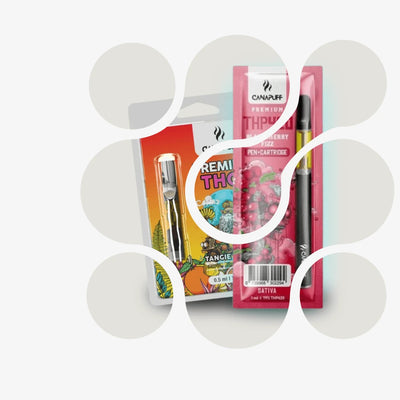
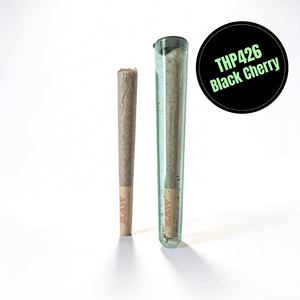
The shop offers hash products from various manufacturers with a declared ingredient, for example HHZ or T9HC. Which substance is contained and in what amount is stated on every product page. All varieties at a glance can be found under buy hash. The products are for adults aged 18 and over only.
How this article was created
This guide was written by our editorial team and fully revised on 11 October 2026. The previous version contained step-by-step instructions, which we deliberately removed. All legal information comes from the legal texts linked below as of 11 October 2026. We sell hash products ourselves. This article does not replace legal advice.
Sources
- Gesetz zum Umgang mit Konsumcannabis (Konsumcannabisgesetz, KCanG), §§ 1, 2, 3, 9, 10 and 34. gesetze-im-internet.de
- German Federal Ministry of Health (Bundesministerium für Gesundheit): questions and answers on the Cannabis Act, as of 4 September 2026. bundesgesundheitsministerium.de
- Livingston SJ, Quilichini TD, Booth JK, et al. Cannabis glandular trichomes alter morphology and metabolite content during flower maturation. The Plant Journal. 2020;101(1):37-56. PubMed 31469934