























Table of contents
- Building a joint: materials and preparation
- Dutch rolling: instructions for the classic
- Building an Ella joint: the L-leaf technique
- Rolling a joint with 2 papers
- Other types of joints at a glance
- Which technique suits you?
- Tips for an even burn
- What you should keep in mind in Germany
- Joints and accessories at shinyfriends
 T9HC Herbal Mix – Raspberry Chemdawg (1 g)
€6,97Ansehen
In short: The common joint techniques differ mainly in the amount of paper and the shape. With Dutch rolling (also called inside-out), the glue strip is at the bottom and excess paper is removed at the end. The Ella joint, also called the L-leaf, uses two papers in an L shape for a larger format. A joint with 2 papers is made by gluing two papers together. Which technique suits you depends on how much filling you need and how much paper you want to smoke along with it.
Building a joint: materials and preparation
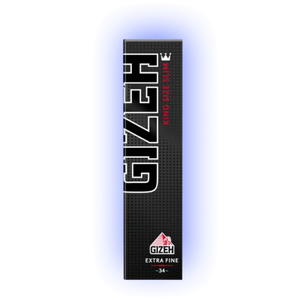
A joint consists of paper, a filling and usually a filter. Cigarette papers in different lengths and widths are used as paper, for example long papers or king size. Several papers can be glued together if you need a larger sheet (Wikipedia: Joint). If you don't want to roll your own, you can also order pre-rolled joints online.
A quick check before rolling is worth it:
- Paper: Choose the size to match the amount. Short papers are enough for small joints; for larger formats you need king size or several sheets.
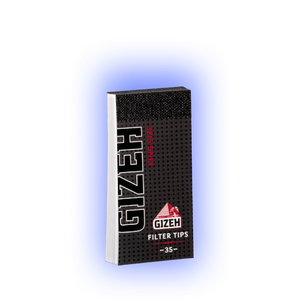
- Filter: A filter is inserted at the thin end. It usually consists of a small cardboard tube. There are ready-made tips, and some contain activated carbon.
- Filling: Break it up evenly so nothing clumps. A grinder helps with this.
- Surface: A rolling tray keeps everything together and prevents material from getting lost.


Dutch rolling: instructions for the classic
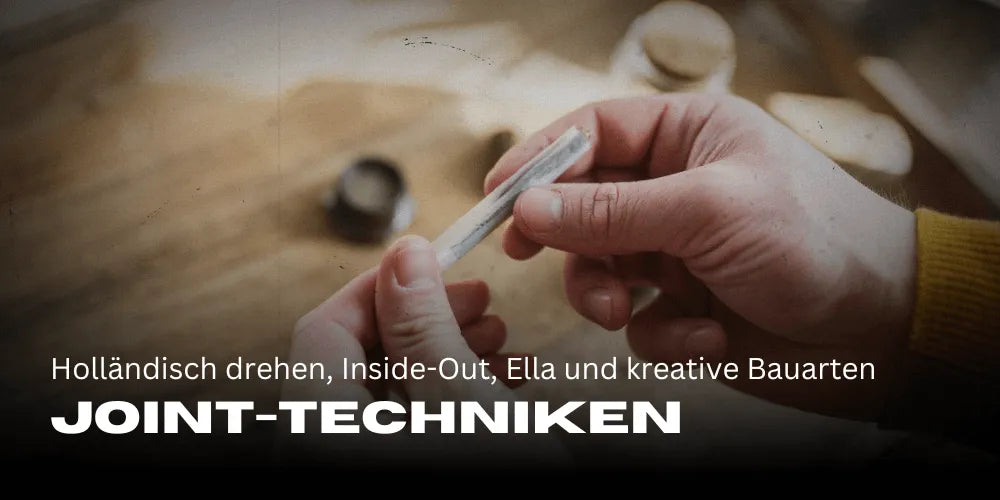
Dutch rolling is also called the inside-out technique. You place the paper so that the glue strip is at the bottom, roll it and moisten the glue strip. The excess paper is torn or burned off at the end. This way you smoke less paper (Wikipedia: Joint).
- Place the paper in front of you with the glue strip facing down.
- Put the filter at one end and spread the filling evenly.
- Roll the paper between your fingers until it takes a firm shape.
- Moisten the glue strip slightly and seal the joint.
- Remove excess paper or carefully burn it off.
With a little practice, the technique works after just a few attempts. Anyone searching for “Dutch rolling” or a “Dutch joint” usually means exactly this method.
Building an Ella joint: the L-leaf technique
The Ella joint is often also called L-leaf or L-joint. For this, two papers are glued together at a right angle to form an L shape. The surface gets bigger and you can use more filling. The format is suitable when several people share or when you want to build a larger joint.
- Lay one paper down horizontally.
- Glue a second paper upright to the glue edge of the first.
- Insert the filter and spread the filling along the edge.
- Carefully roll up the construction and seal it.
Make sure the glued joins are clean. A loose transition makes the joint burn unevenly or fall apart while smoking.

Rolling a joint with 2 papers
If one sheet is not enough, you can glue two papers together. They should overlap slightly so that the transition is stable. Depending on the arrangement, you get a longer or a wider surface. Place the glue strips so that both papers stick together cleanly and no gap remains.
Spread the filling evenly and do not roll too tightly. A joint packed too densely lets less air through and draws worse.
Other types of joints at a glance
Besides the common techniques, there are variants that differ mainly in shape and effort:
- Cone: The typical shape is conical, thicker at the burning end (Wikipedia: Joint).
- Moustache: Several joints share one filter (Wikipedia: Joint).
- Tulip: A thick, round joint on an extended filter (Wikipedia: Joint).
- Blunt: The material is rolled in a tobacco leaf, common mainly in North America (Wikipedia: Joint).
- Cross joint: Two joints are connected in a cross shape. This is mainly a visual gimmick and more complex to build.
Which technique suits you?
| Technique | Papers | Special feature |
|---|---|---|
| Classic | 1 | simple, rolled quickly |
| Dutch (inside-out) | 1 | excess paper is removed, less paper in the smoke |
| Ella (L-leaf) | 2 | larger surface, more filling |
| Joint with 2 papers | 2 | longer or wider, glued join must be clean |
| Tulip, moustache, cross | several | elaborate shape, more for advanced rollers |



Tips for an even burn
- Spread the filling evenly and roll a little looser rather than too tight. You can always pack more in.
- Insert the filter straight so that the airflow stays in the middle.
- Very dry material crumbles easily. Do not grind it too finely.
- A smooth object, such as a pen, helps with shaping and rolling.

What you should keep in mind in Germany
The German Consumer Cannabis Act (KCanG) allows adults aged 18 and over to possess up to 25 grams of cannabis in public and up to 50 grams at their place of residence (§ 3 KCanG). Consumption is prohibited in the immediate presence of minors. It is also prohibited within sight of schools, playgrounds, youth facilities and public sports facilities, as well as in pedestrian zones between 7 am and 8 pm (§ 5 KCanG).
When smoking, the material is burned. Vaporizers, on the other hand, only heat the substance instead of burning it (German Federal Institute for Public Health). This text does not replace legal advice.
Joints and accessories at shinyfriends
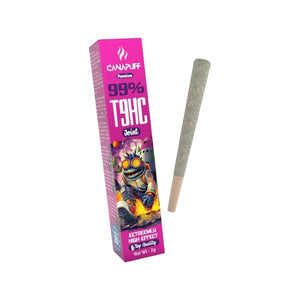
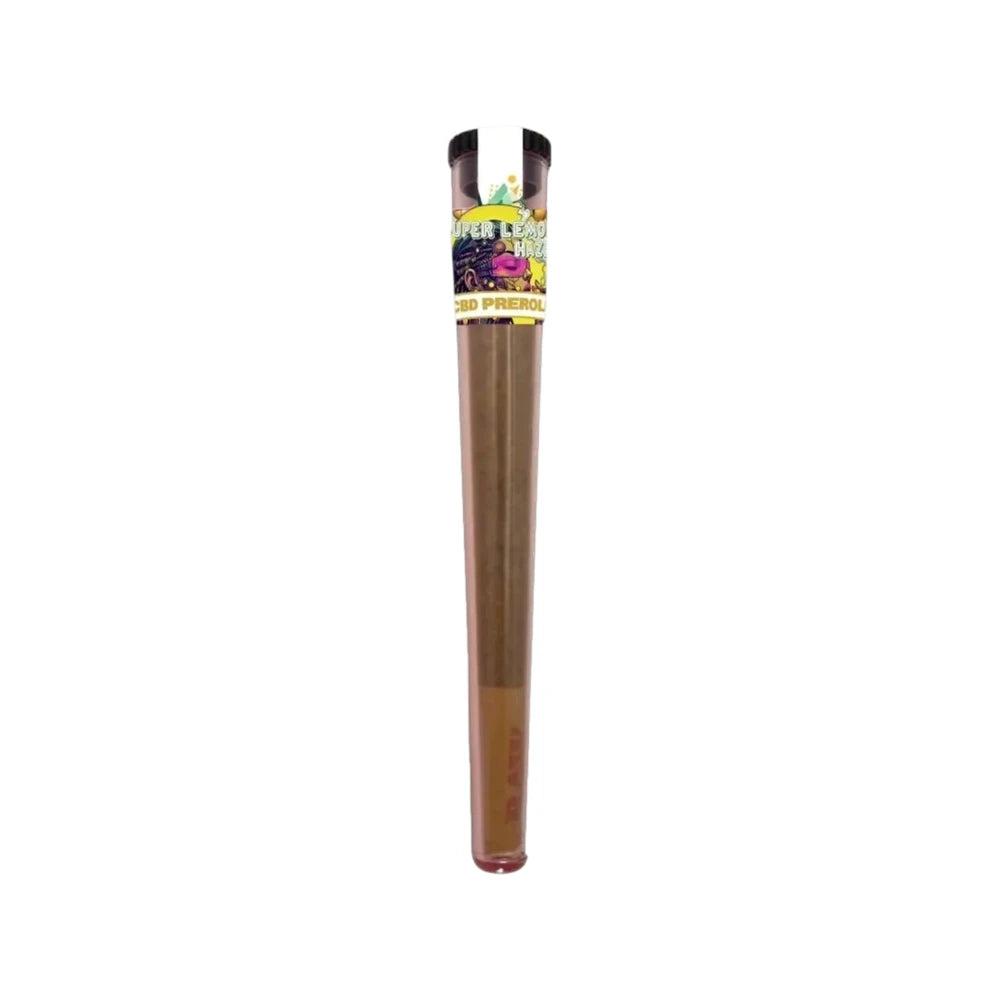
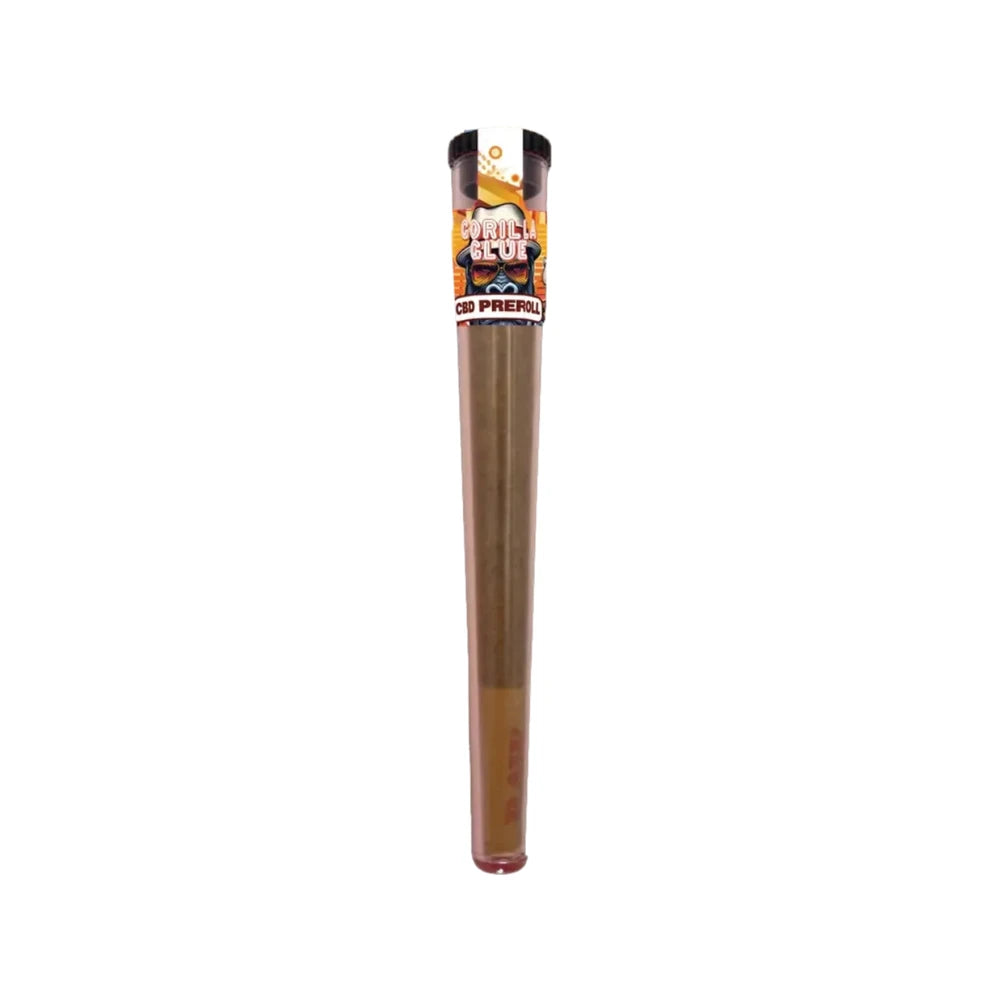
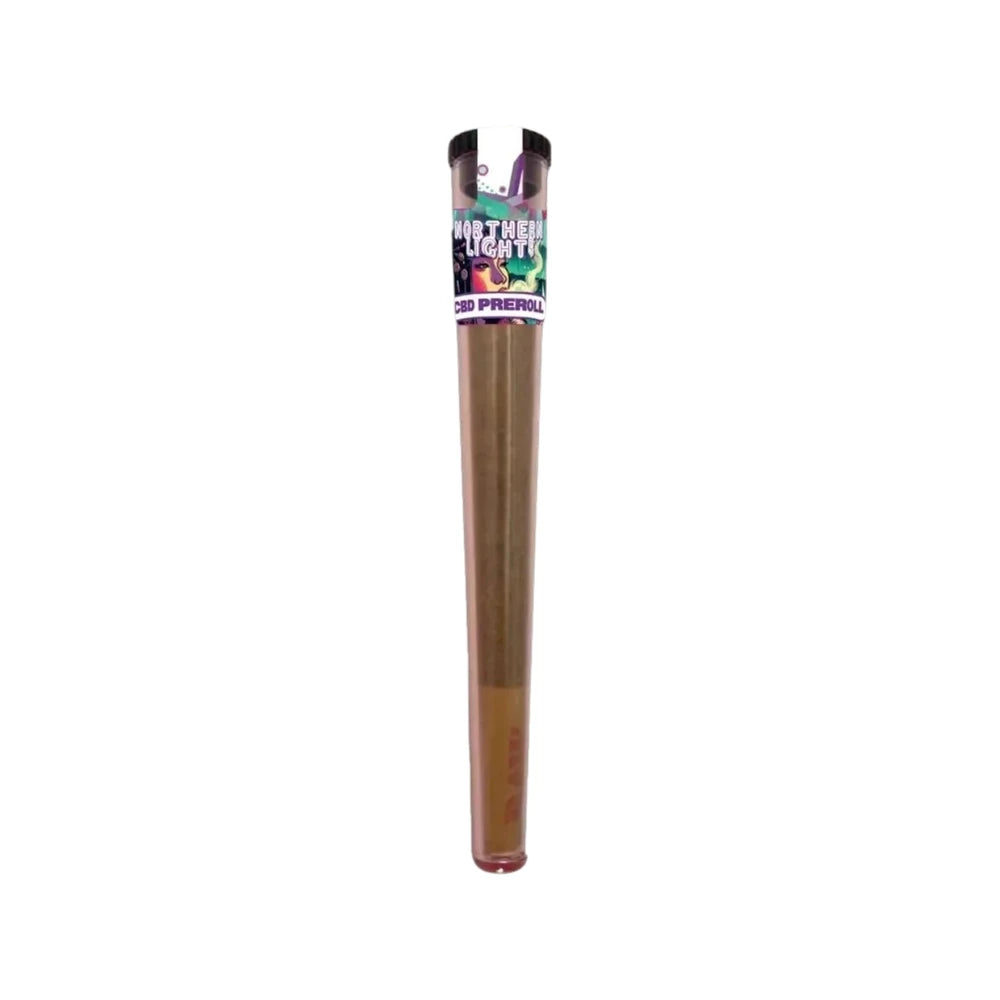
If you do not want to roll yourself, you will find pre-rolled joints and T9HC joints. For building your own, there are papers, filters and tips and other joint accessories. A popular example is the T8HC Joint King Gorilla 99% 2g. If you prefer CBD, you will find CBD joints to buy, such as the CBD Prerolled Joint Super Lemon Haze.
How this article was created
This guide was written by our editorial team and fully revised on 2 October 2026. The descriptions of the techniques are based on the sources linked below and on experience with rolling. We sell accessories and pre-rolled joints ourselves. The article does not replace legal advice.
Sources
- Wikipedia: Joint. de.wikipedia.org
- Gesetz zum Umgang mit Konsumcannabis (Konsumcannabisgesetz, KCanG), § 3. gesetze-im-internet.de
- Gesetz zum Umgang mit Konsumcannabis (Konsumcannabisgesetz, KCanG), § 5. gesetze-im-internet.de
- German Federal Institute for Public Health: forms of cannabis use. cannabispraevention.de