

























Table of contents
- How joint rolling machines work
- Fully automatic joint rolling machine: what it can and cannot do
- Electric joint rolling machine: motor instead of crank
- Rolling machine with grinder: two devices in one
- Cone rolling machines and metal models
- Manual joint rollers and tube systems
- Looking for a test winner: what to look for when comparing
- Ready-made joints instead of your own machine
 T9HC Herbal Mix – Raspberry Chemdawg (1 g)
€6,97Ansehen
A fully automatic joint rolling machine does everything itself once you have filled it: it shreds the filling material, portions it into a pre-rolled cone or tube and compacts it with a motor. You press a button and take out the finished tube. That sets it apart from electric devices that only take over part of the work, and from manual rollers, where you do every step yourself. Which type suits you depends mainly on how often you roll and whether you want to work with tubes or with loose paper.

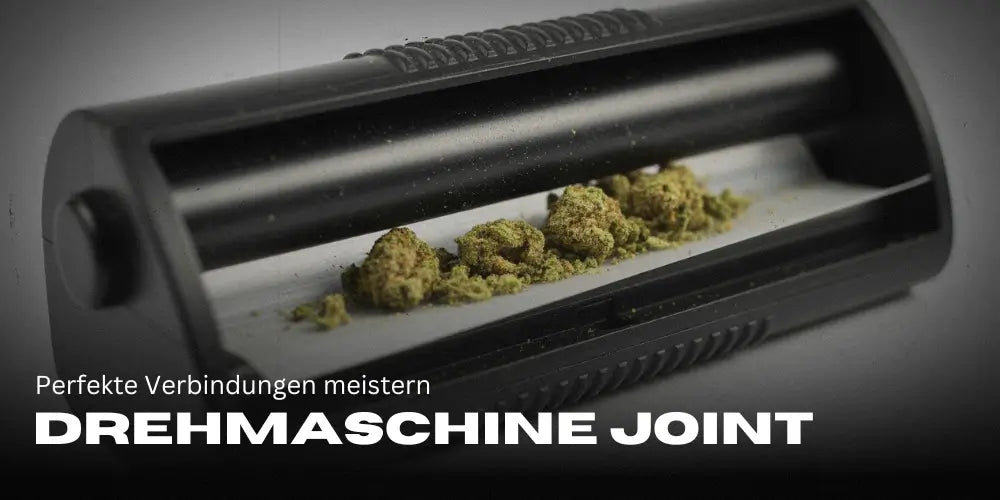
How joint rolling machines work
Technically, almost all joint rolling machines are descended from cigarette rollers. The principle has been the same for decades: the filling material lies in a trough or chute, a belt or a piston forms it into an even strand, and this strand ends up either in a paper or in a ready-made tube with a filter.
The differences lie in the drive. With a manual roller, you move the belt with your thumbs. With a crank machine, you turn a lever. Electric devices handle the filling with a motor, and fully automatic machines combine motor, grinder and tube feed in one housing.
Important for your choice: many electric and almost all automatic devices only work with ready-made tubes of a certain length. If you prefer to roll with your own papers, a manual roller is often the better option.

Fully automatic joint rolling machine: what it can and cannot do
With a fully automatic machine, you fill the material into a hopper at the top, put a tube on the nozzle and start the process. A grinder shreds, a screw or piston pushes the material into the tube, and the machine stops when the tube is full. Some models let you adjust the packing density.
That sounds convenient, and for people who fill many identical tubes in one go, it is. But there are a few points that rarely appear in product descriptions:
- Moist or resinous material clogs the grinder. The machine then has to be opened and cleaned.
- You are tied to the manufacturer's tube format. Cone-shaped tubes don't fit many devices.
- The devices are bigger, heavier and louder than a hand roller. They are hardly suitable for on the go.
Our assessment: an automatic joint rolling machine is only worth it if you regularly fill a lot of tubes and don't mind giving the device a quick clean after every use. For occasional rolling it is oversized.
Electric joint rolling machine: motor instead of crank
Between the hand roller and the fully automatic machine sits the electric joint rolling machine. It has a small motor that handles the filling. You usually do the shredding yourself beforehand, for example with a grinder. Many models run via USB or a built-in battery, larger devices via a power adapter.
When buying, the first thing that counts is the tube size the device takes. Next comes the question of how easy the filling chamber is to clean. With battery-powered devices you should also check whether the battery can be replaced, because a permanently installed battery determines the lifespan of the whole device.
Every electrical device sold in the EU must also carry the CE marking. It is not a test seal. With the mark, the manufacturer itself declares that its product meets EU requirements; there is no central approval. If a battery-powered device has no mark at all, we would not buy it.
Rolling machine with grinder: two devices in one
Combination devices with a built-in grinder save a step. They come in two versions. With the manual version, you turn a crank that grinds and fills at the same time. With the electric joint rolling machine with grinder, the grinder is driven by the motor, and the material falls directly into the filling chamber.
The advantage is obvious: less clutter on the table. The disadvantage shows after a few weeks. Residues build up in the grinder, and they are harder to remove in a combination device than in a separate grinder. If you already own a good grinder, you don't need a combination device. How to look after a grinder and what matters when buying one is covered in our grinder guide.
Cone rolling machines and metal models
Cone-shaped joints are wider at one end than at the other. Classic rollers only form straight strands, which is why there are dedicated cone rolling machines. Usually this is a hand roller with an angled belt or a filling aid that fills a pre-rolled cone from above. Operation is similar to the straight roller: spread the material evenly in the trough, insert the paper, roll with your thumbs. With the cone shape, you need to fill the wide end a little more generously.
As for material, you can choose between plastic, aluminium and stainless steel. Plastic is light and cheap, but over time it develops cracks at the hinge. Metal housings last longer and can be cleaned more thoroughly. On almost all rollers, the belt itself is made of plastic or hemp fabric and is a wear part.
Manual joint rollers and tube systems
A manual joint roller is the simplest rolling machine. It needs no power, fits in any pocket and works with normal papers. Especially if you otherwise roll with loose paper, it is the obvious choice.
Tube systems are even simpler. You fill a ready-made tube via a small tube with a slider. The result is even, but here too you are tied to tubes. If you want to work entirely without a device, you will find the hand technique in our guide to rolling a joint and other simple aids in the post on joint rolling aids. Matching papers are available in the shop.
Looking for a test winner: what to look for when comparing
If you look for a test winner, you will find many rankings. We are not aware of any independent testing of joint rolling machines by a consumer organisation. Most lists online come from retailers or comparison sites with affiliate links. We don't sell rolling machines ourselves and therefore don't name any models.
It makes more sense to compare for yourself using these questions:
- What format does the device take: papers, straight tubes or cone-shaped tubes?
- Can the filling chamber be opened and cleaned without tools?
- Are spare parts such as belts, nozzles or batteries available?
- Is there a CE marking on the device or packaging, and are there instructions in your language?
- How loud is the device, and where do you want to use it?
If a device does badly on the first two questions, even the best motor won't help.
Ready-made joints instead of your own machine
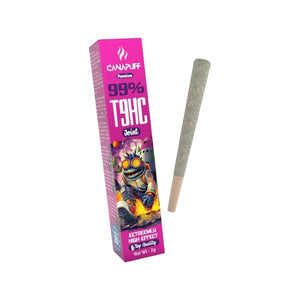
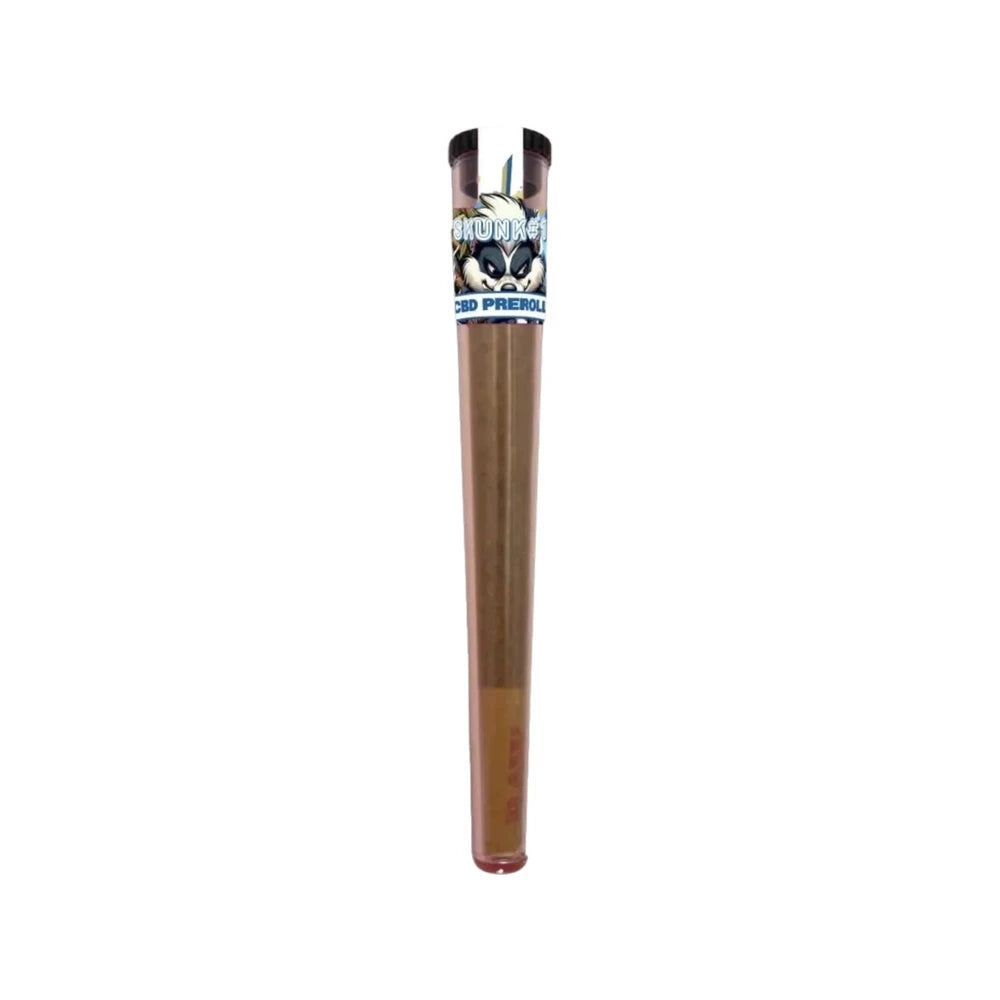
A rolling machine is mainly worth it if you regularly roll yourself. If you don't feel like it, you will find pre-rolled joints in our range. Which ingredients and amounts they contain is stated on each product page. All products are for adults aged 18 and over only.
How this article was created
This guide was written by our editorial team and fully revised on 11 October 2026. It describes types of device, not individual models. We don't sell joint rolling machines ourselves, but we do sell papers, accessories and pre-rolled joints.
Sources
- European Commission, Your Europe: CE marking. EU rules, obtaining the certificate. europa.eu