





In short: Delta-9-THC (delta-9-tetrahydrocannabinol) is the main active ingredient of the cannabis plant. It acts mainly via the cannabinoid receptors CB1 and CB2 in the body. When inhaled, the psychoactive effects set in after seconds to a few minutes, when eaten only after 30 to 90 minutes (Grotenhermen, 2003). In Germany, the Consumer Cannabis Act (KCanG) regulates its handling: under certain conditions, adults may possess up to 25 grams in public and 50 grams at their place of residence. Products sold as “Delta-9” or “T9HC” are not automatically the same as delta-9-THC.
What is delta-9-THC?
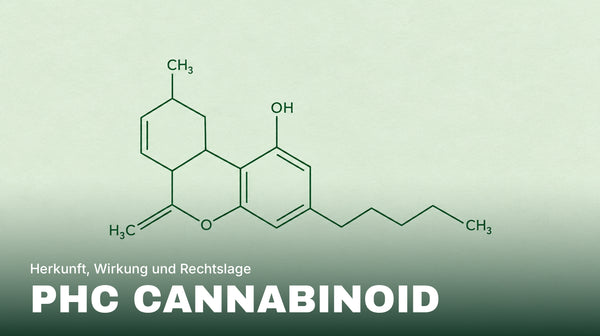
Delta-9-THC is a cannabinoid. It is formed in the cannabis plant from a precursor, THC acid, and is considered the substance responsible for the intoxicating effect of cannabis. Chemically, it is an isomer of delta-8-THC: the two molecules differ in the position of a double bond in the ring (Tagen and Klumpers, 2022).
When people talk about “THC” without anything added, they usually mean delta-9-THC. It is also written as THC9, 9-THC or Delta 9.
Delta-9-THC effects: what is known?
THC activates cannabinoid receptors, which are G protein-coupled receptors located in the brain and other tissues (Grotenhermen, 2003). How strongly and how quickly the effect sets in depends on the route of intake:
| Intake | Onset of effect | Peak | Duration |
|---|---|---|---|
| Inhalation | seconds to a few minutes | after 15 to 30 minutes | fades after 2 to 3 hours |
| Oral intake | after 30 to 90 minutes | after 2 to 3 hours | about 4 to 12 hours, depending on the dose |
According to the German federal prevention services, short-term consequences can include anxiety, feelings of panic, blackouts, racing heart and nausea. Perception, reaction and attention deteriorate acutely (German Federal Institute for Public Health). That is why: do not drive or operate machinery after consumption. How someone reacts depends on amount, person and situation. This text contains no promises of effects and no dosage recommendation.
Delta-9-THC vs delta-8-THC
Delta-8-THC is a positional isomer of delta-9-THC. A review in the British Journal of Pharmacology describes the two substances as very similar in pharmacokinetics and pharmacodynamics. The authors explain the lower potency of delta-8-THC in clinical studies by its weaker binding at the CB1 receptor (Tagen and Klumpers, 2022). You can read more about this in the guide T9HC vs T8HC.
Delta-9-THC in Germany: what is legal?
Since the KCanG came into force, these rules apply to adults aged 18 and over (§ 3 KCanG):
- possession of up to 25 grams of cannabis in public for personal consumption
- up to 50 grams and up to three living cannabis plants at the place of residence
- The amount at the place of residence, together with the amount in public, may not exceed 50 grams of dried material.
Consumption is prohibited in the immediate presence of minors. In addition, consumption is not allowed within sight of schools, playgrounds, youth facilities and public sports facilities, or in pedestrian zones between 7 am and 8 pm (§ 5 KCanG). The KCanG regulates home growing and cultivation associations. It does not provide for sales in shops.
This overview does not replace legal advice. The rules may change.
Delta-9-THC gummies in Germany
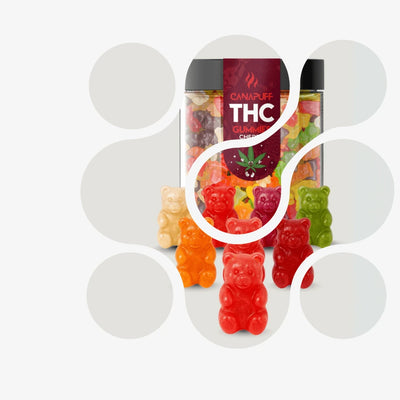
Gummy bears with THC are edibles. With oral intake, the effect only sets in after 30 to 90 minutes and lasts a long time (Grotenhermen, 2003). This makes dosing hard to judge, and many people take more out of impatience. The KCanG expressly prohibits cultivation associations from passing on cannabis that is mixed or combined with food (§ 21 (1) KCanG). With offers from the internet, it is therefore worth taking a close look at the manufacturer, THC content, certificate of analysis and legal basis.
Delta-9, T9HC and 9H-THC: where is the difference?
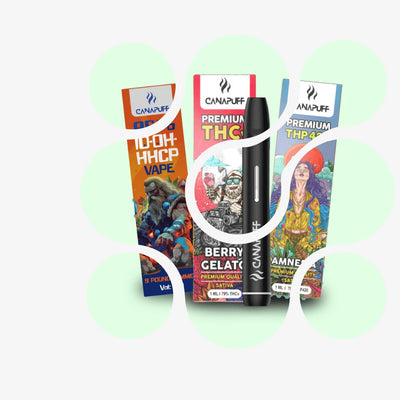
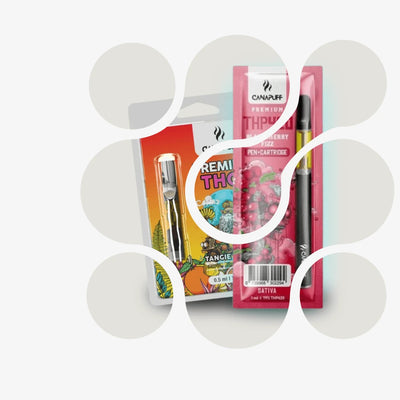
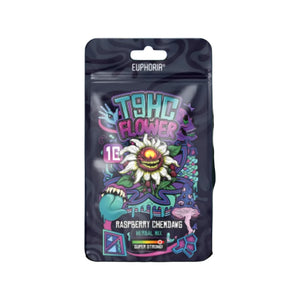
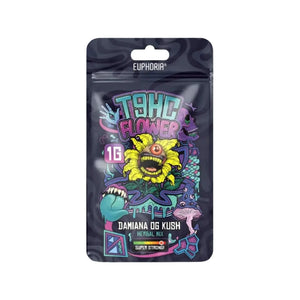
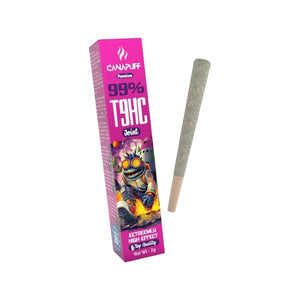
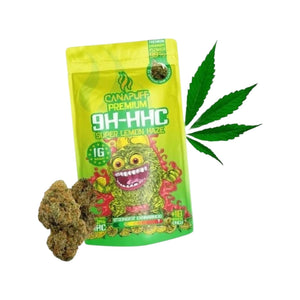
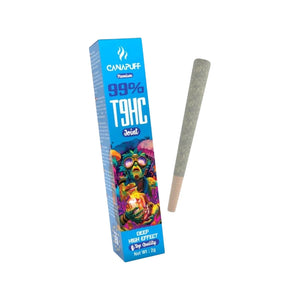
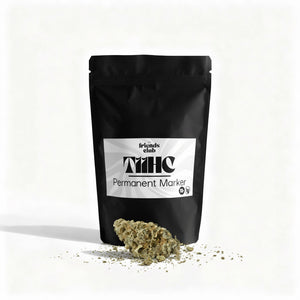
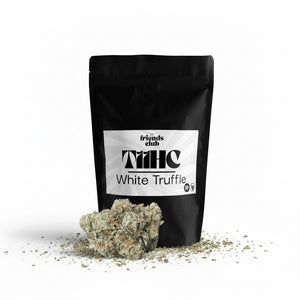
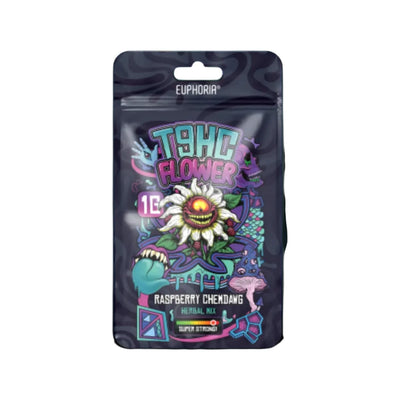
Names such as T9HC or 9H-THC are circulating in the trade. They are used in different ways. According to our category, T9HC is not another name for delta-9-THC, but a substance made in the lab with its own legal status. You can find an overview in the T9HC category and in the guide 9H-THC. Check on every product page which substance is named and how much of it is contained.
You can find current 9H-THC products in the category of the same name.
How this article was created
This guide was written by our editorial team and fully revised on 2 October 2026. The statements on pharmacology and law come from the sources linked below. We sell cannabinoid products ourselves. The article does not replace medical or legal advice.
Sources
- Grotenhermen F. Pharmacokinetics and pharmacodynamics of cannabinoids. Clinical Pharmacokinetics. 2003;42(4):327-360. doi:10.2165/00003088-200342040-00003
- Tagen M, Klumpers LE. Review of delta-8-tetrahydrocannabinol (Δ8-THC): Comparative pharmacology with Δ9-THC. British Journal of Pharmacology. 2022;179(15):3915-3933. doi:10.1111/bph.15865
- Konsumcannabisgesetz (KCanG), § 3. gesetze-im-internet.de
- Konsumcannabisgesetz (KCanG), § 5. gesetze-im-internet.de
- Konsumcannabisgesetz (KCanG), § 21. gesetze-im-internet.de
- German Federal Institute for Public Health: Smoking weed and the risks for body and mind. cannabispraevention.de