









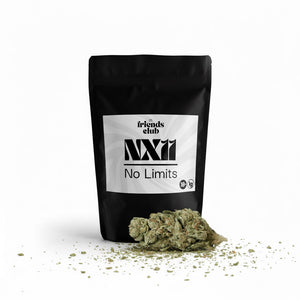

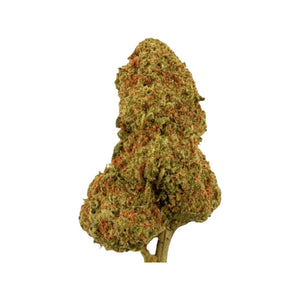
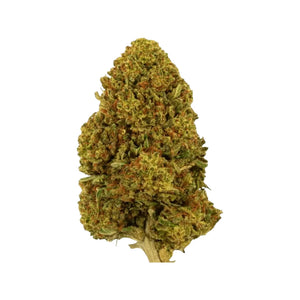
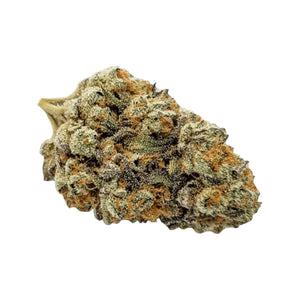
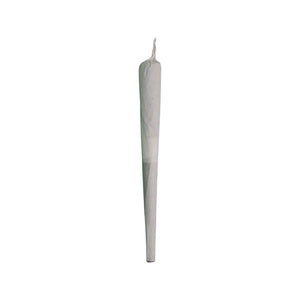
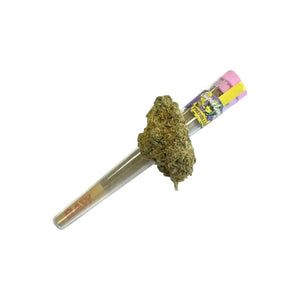
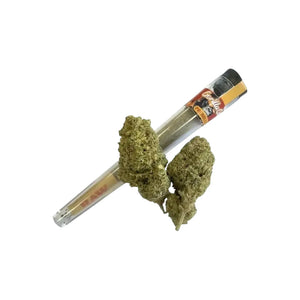













Sour Diesel is a sativa-dominant cannabis strain bred from a cross of Chemdawg 91 and Super Skunk, which emerged in New York in the early 1990s. Depending on the phenotype and growing conditions, the THC content ranges between 19 and 25 % (Leafly, Strainpedia), and the flowering time is 10–12 weeks. The strain takes its name from its pungent, fuel-like smell, which sets it apart from most other sativa genetics.
This article is not a substitute for medical advice. For any health-related questions about cannabis use, always consult a doctor or pharmacist.

What is Sour Diesel? (Genetics & origin)
Sour Diesel traces back to an accidental cross between Chemdawg 91 and Super Skunk. The parent genetic Chemdawg 91 is itself regarded as the founding genetic behind numerous modern strains and is associated with its diesel-like smell and its potency (Verts Dispensary). Super Skunk is a cross of Skunk #1 and an Afghan indica, and it contributes dense resin production to the Sour Diesel genetics (Verts Dispensary).
Its documented origin story is unusually well evidenced for a strain from the pre-internet era of cannabis cultivation: between 1993 and 1995, a New York grower nicknamed Weasel sold half a pound of Super Skunk seeds to a buyer named Vondo. That batch of seeds produced the mother plant from which Sour Diesel later emerged (Get Seeds Right Here). The clone line subsequently passed to Joe Murray, better known by his nickname AJ, who spread the genetics across New York City during the 1990s (Sensi Seeds). Several versions of the name's origin circulate: one attributes it to a storage jar labelled "Our Diesel", which is said to have morphed into "Sour Diesel" (Stoops NYC), while another derives the name directly from the sour, diesel-like smell of the flowers.
Sour Diesel has since given rise to several well-known crosses, among them Headband and Lemon Tree, both of which rank among the most widely grown US hybrids.
Effects of Sour Diesel
According to user data from Leafly, Sour Diesel is predominantly energising, talkative and mood-lifting (Leafly). The most frequently reported effects are a fast, clear head high that feels activating rather than sedating — one reason the strain is often classed as a daytime strain (Leafwell).
Based on self-reported accounts from consumers on Leafly, 35 % say the strain helps with stress, 28 % cite anxiety and 28 % depression as areas of use (Leafly). These figures come from user reviews and are not clinical data. The most commonly reported side effects include dry mouth, dry eyes and — at higher doses — feelings of anxiety or paranoia (Leafly).
For the standard photoperiod genetics, Leafly puts the THC content at around 19 %, while other sources such as Strainpedia give a range of 20 to 26 %, depending on the particular phenotype and the growing environment (Strainpedia). According to breeder figures, autoflower versions sometimes reach higher values of up to 24 % (Barney's Farm).
Taste and aroma
Sour Diesel's terpene profile is dominated by caryophyllene, myrcene and limonene (Leafly). This combination produces the characteristic smell of diesel, chemicals and skunk that Leafly users likewise name as the strain's dominant aromas (Leafly). On the exhale there is also a sharp, sour citrus note that gives way to an earthy, skunky base (Leafwell).

The smell is considered particularly penetrating and anything but discreet — a fact that set the strain apart from more inconspicuous "brick weed" as early as the 1990s and quickly earned it a reputation in New York as an especially "loud" genetic (Sensi Seeds).
Sour Diesel seeds and cultivation
According to Leafly, photoperiod Sour Diesel genetics need a flowering time of 10 to 12 weeks, with 77 days of flowering given specifically (Leafly). The plants grow tall in typical sativa fashion — figures range from around 180 to 200 cm outdoors (Hypno Seeds) — and therefore need space or training techniques such as topping when grown in an indoor tent. Outdoors, in a suitable climate, yields of up to around 600 g per plant are possible (Hypno Seeds). Leafly also names four known phenotypes of the strain, three of which show predominantly sativa-typical traits while one leans more strongly towards indica (Leafly).
For growers who prefer a shorter cultivation cycle, autoflowering versions are available. Sour Diesel Auto — for instance the cross with BF Super Auto #1 from Barney's Farm — flowers in around 70 days and reaches THC levels of about 24 % with indoor yields of 500 to 600 g/m² (Barney's Farm). Other auto genetics based on Sour Diesel come in at 9 to 11 weeks of flowering and 20 to 25 % THC (BlimBurn Seeds, FastBuds).
Sour Diesel Haze and related phenotypes
Alongside the classic Sour Diesel genetics, there are several related crosses under similar names. Sour Diesel Haze comes from a cross of Auto Haze and New York Diesel, sits at around 19 % THC and, as an autoflower version, flowers in 8 to 10 weeks with indoor yields of up to 450 g/m² (Free Seeds Online). Super Sour Skunk also belongs to the wider family: this cross came about when an old Super Skunk clone from Holland was pollinated with a male East Coast Sour Diesel phenotype (Leafly).
Important for buyers: the name "Sour Diesel" or "Diesel" is often used in the trade for crosses that are only loosely related genetically. Specialist retailers point out that there can be considerable differences in quality between authentic East Coast Sour Diesel genetics (ECSD) and strains that carry the name purely for marketing reasons (Royal King Seeds).
For more than three decades, Sour Diesel has been one of the most widely grown sativa-dominant cannabis genetics in the USA. The combination of fast, energising effects, a distinctive diesel aroma and a well-documented origin story in early-1990s New York explains the demand that continues to this day. Given the many crosses in circulation, anyone buying seeds or genetics under this name should check the stated lineage carefully in order to tell authentic Sour Diesel genetics from mere name variants.
