






































Cali Weed
What is Cali Weed?
Cali Weed describes cannabis in the Californian style: dense, aromatic flowers grown and processed on the model of the US West Coast. The term stands less for a single strain than for a quality standard, shaped by craft cultivation, careful drying and an intense terpene profile. Thanks to its warm climate and a long breeding tradition, California is regarded as one of the leading cannabis regions in the world.
Important for context: in the legal German market, Cali Weed usually does not refer to classic THC cannabis. Here the style appears above all in cannabis seeds with Californian genetics and in flowers with alternative cannabinoids. What is legally available depends on the legal framework in force at the time.

How do you recognise good Cali Weed?
The reputation of Cali Weed rests on verifiable quality features, not on marketing. Look out for:
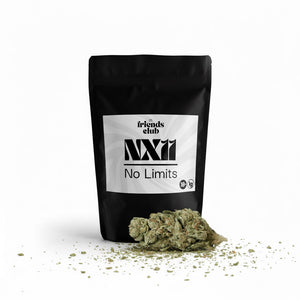
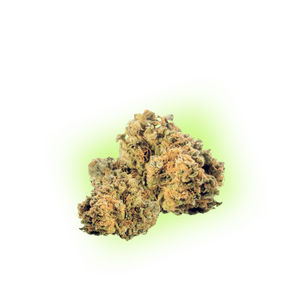
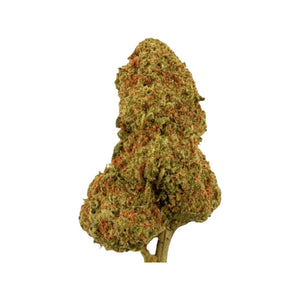
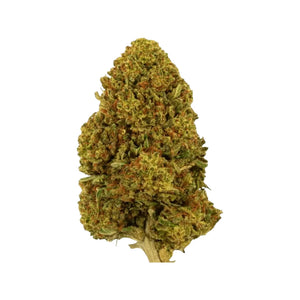
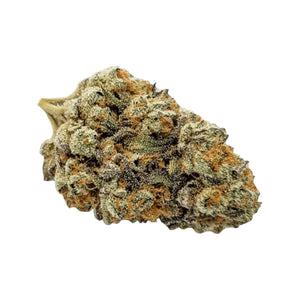
- Dense, well trimmed buds: compact flowers with a clean hand trim, without many leaves, stems or seeds.
- Visible trichome coverage: a dense, resinous film of trichomes as a sign of careful ripening and harvesting.
- Intense aroma: a complex terpene profile that is immediately noticeable, already when the packaging is opened.
- Correct residual moisture: well cured material that neither crumbles bone dry nor feels damp.
- Clean processing: slow drying and a proper cure matter more for quality than the highest possible lab value.
Well known strains in the Cali style
Many of the genetics in demand worldwide originally come from California. The classics include:
- Blue Dream: a balanced hybrid, described in user reports as stimulating and relaxing at the same time.
- OG Kush: one of the defining West Coast genetics with an earthy, spicy profile.
- Girl Scout Cookies: sweet aroma, the basis of many modern dessert strains.
- Sour Diesel: a distinctive diesel note, considered sativa dominant.
Modern strains such as Gelato and Runtz have also emerged from this line. Our Lemon Haze overview puts a classic into context, and the Cali Kush guide covers a related Kush variety.

Cali Weed effects according to user reports
The effect depends strongly on the specific strain. Anecdotal reports on platforms such as Leafly and Weedmaps describe, depending on the genetics, an uplifted, creative mood with sativa dominant strains or a physical relaxation with indica leaning varieties.
These descriptions are consumer reports and not medical statements. The actual effect is highly individual and depends on dosage, tolerance, set, setting and form of consumption. Because of the often high potency, caution is advisable with Cali strains, especially for less experienced consumers.
THC content: high, but variable
Cali Weed is often advertised with very high THC values, sometimes above 25 or 30 percent. Such figures should be read with caution: they vary depending on genetics, laboratory, measuring method and batch, and high marketing values are rarely verified independently.
It is also important to note that a higher THC value does not automatically mean a more intense or better experience. Studies show no linear relationship between THC concentration and subjective strength of effect in experienced consumers (Morgan et al., 2019, JAMA Psychiatry, doi: 10.1001/jamapsychiatry.2019.1588). The terpene profile and the overall composition play at least as important a role. Only a batch specific lab report is reliable.
Buying Cali Weed: what you should look for
Anyone buying Cali Weed or products in the Californian style should pay less attention to superlatives and more to evidence:
- a batch specific lab report with a clear statement of cannabinoids and, where applicable, terpenes
- a transparent statement of which cannabinoid is actually contained
- a trustworthy supplier with a traceable origin
- a check of the current legal situation at your own place of residence
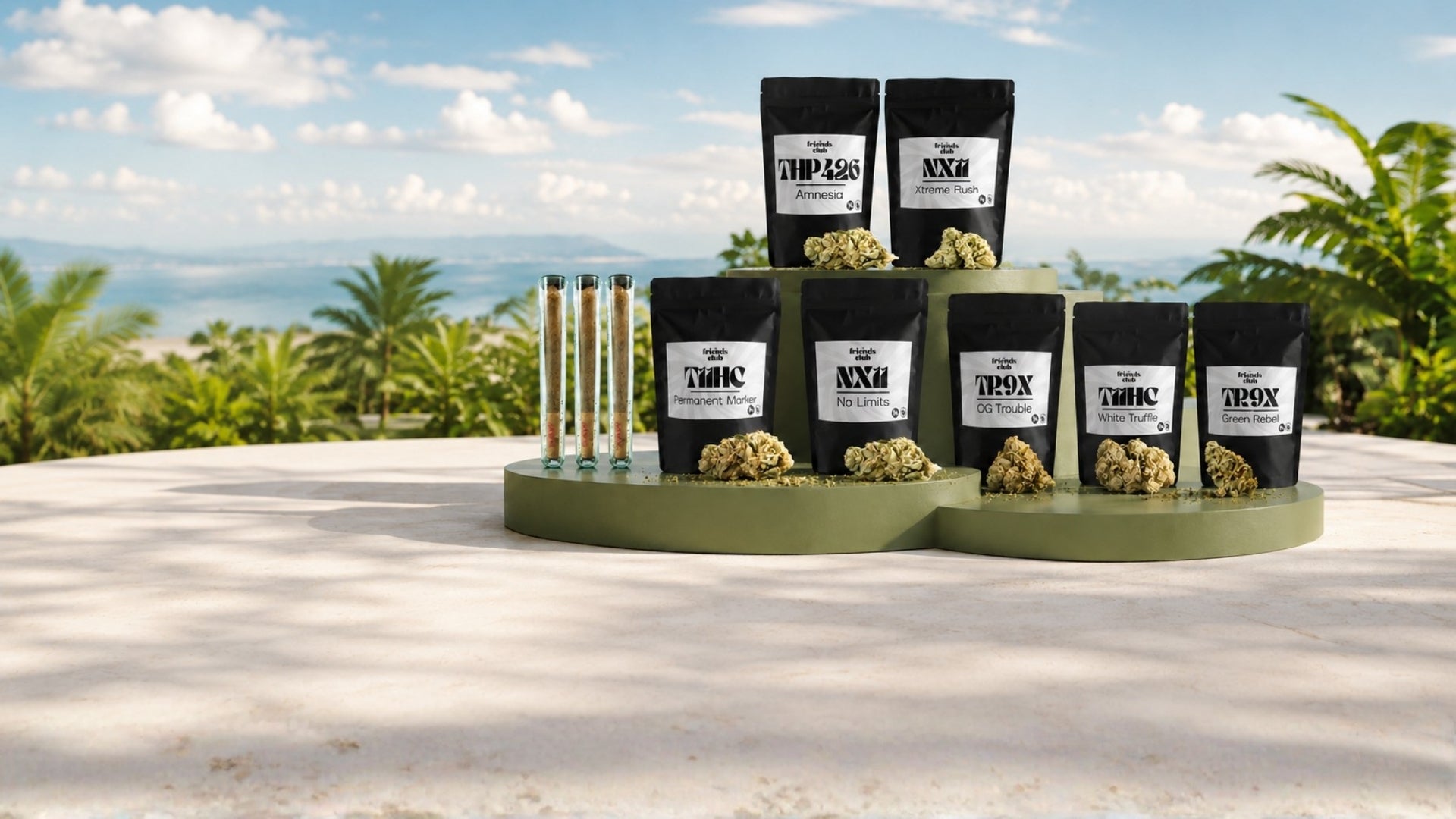
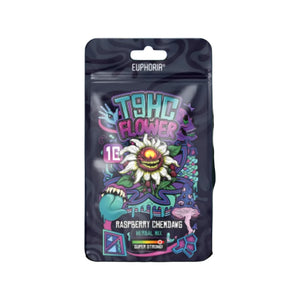
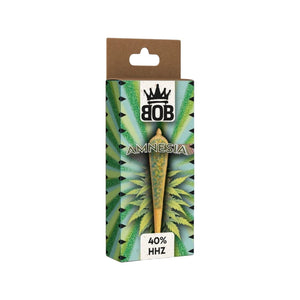
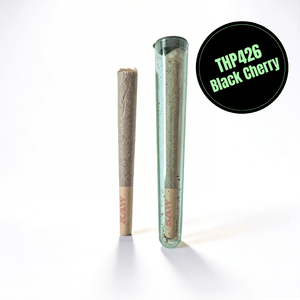
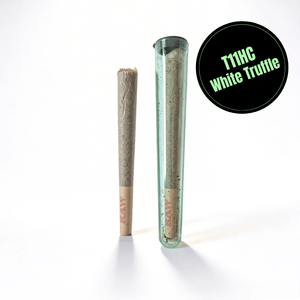
In our range you will find the Californian style in various forms: cannabis seeds with Cali genetics, flowers with alternative cannabinoids and an overview of the THC flower category.
Cali Weed seeds and cultivation
Cali genetics are in demand among growers worldwide because many of these strains combine robust growth characteristics with pronounced aroma profiles. Seeds are available as feminised or as autoflowering varieties. Feminised seeds produce almost exclusively flowering plants, autoflowering strains flower independently of the light cycle and are therefore less complicated, often with a somewhat lower yield.
Californian genetics prefer a warm climate or controlled indoor conditions. If you want to grow yourself, you will find suitable genetics in the seed collection and pre grown plants under cannabis cuttings. Purchase and cultivation in Germany are subject to the legal framework in force at the time.
Frequently asked questions about Cali Weed
What is Cali Weed?
Cali Weed describes cannabis in the Californian style: dense, aromatic flowers with an intense terpene profile, grown and processed on the model of the US West Coast. It is not a single strain, but a quality standard made up of genetics, craft cultivation and careful drying.
Is Cali Weed legal in Germany?
Classic THC cannabis with Cali genetics is accessible in Germany only within the framework of the law in force at the time. In the legal market the Californian style appears above all in cannabis seeds and in flowers with alternative cannabinoids. The current legal situation should be checked before buying.
How do you recognise good Cali Weed?
By dense, cleanly trimmed buds with visible trichome coverage, an intense aroma, the correct residual moisture and clean processing. A slow cure matters more for quality than the highest possible THC value.
How high is the THC content of Cali Weed?
Cali Weed is often advertised with values above 25 percent. These figures vary depending on genetics, laboratory and batch and are rarely verified independently. A high value alone says little about quality. Only a batch specific lab report is reliable.
What is the difference between Cali Weed and normal weed?
The term stands for a higher standard of processing and quality: Californian genetics, craft cultivation, careful drying and a particularly intense aroma. Whether a product meets that standard is shown by appearance, aroma and a lab report, not by the name alone.